
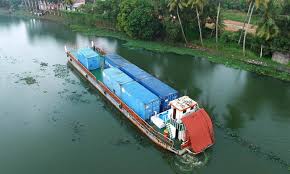
Tata Steel has transported a consignment to Guwahati via inland waterways, signalling a growing shift towards river-based cargo movement in India’s logistics landscape.
The shipment, routed through the India-Bangladesh Protocol (IBP) route, underscores the increasing viability of inland waterways as an efficient alternative to traditional road and rail transport. By leveraging river routes, companies are able to reduce transit costs, ease congestion, and lower carbon emissions.
The cargo movement is part of a broader push to enhance multimodal logistics, with waterways playing a key role in connecting eastern ports such as Kolkata to the northeastern region. The IBP route, which allows transit through Bangladesh’s river systems, offers a shorter and more economical pathway for bulk cargo.
Industry observers note that large players like Tata Steel adopting inland waterways could encourage wider industry participation, particularly for bulk commodities such as steel, cement, and raw materials.
The government has been actively promoting inland water transport through infrastructure development, policy support, and cross-border cooperation. Increased utilisation of river routes is expected to improve supply chain efficiency and unlock economic potential in the Northeast.
With more companies exploring this mode, inland waterways are steadily emerging as a reliable and sustainable pillar of India’s logistics ecosystem.