
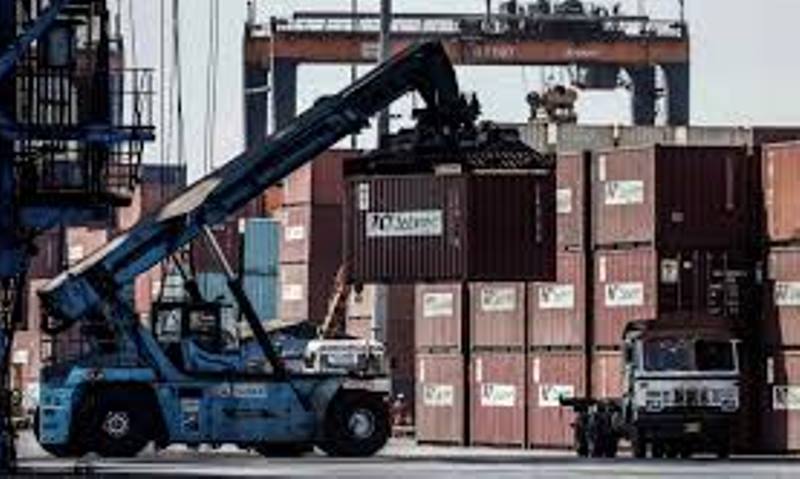
India has streamlined its transshipment regulations in response to ongoing disruptions in the Middle East that have triggered significant cargo diversions across global shipping routes.
The move is aimed at facilitating smoother handling of increased volumes at Indian ports, as vessels reroute to avoid congestion and security concerns in key West Asian transit hubs. By easing procedural requirements, authorities seek to reduce dwell times and improve turnaround efficiency for transshipped cargo.
Industry stakeholders note that the changes will help Indian ports better position themselves as alternative transshipment hubs, capturing volumes that would otherwise be routed through traditional gateways in the Middle East. Ports on both the west and east coasts are expected to benefit from the shift in trade flows.
The revised framework includes simplified documentation processes and faster clearances, enabling shipping lines and logistics operators to manage diverted cargo more effectively. This is particularly crucial as carriers adjust schedules and port rotations in response to evolving geopolitical conditions.
Experts say the policy adjustment could have a lasting impact if Indian ports are able to deliver consistent efficiency and reliability. Enhanced transshipment capabilities would not only support current demand but also strengthen India’s long-term competitiveness in regional maritime trade.
However, infrastructure readiness and coordination among port authorities, customs, and logistics providers will be key to sustaining the momentum. Any bottlenecks in hinterland connectivity or terminal operations could limit the benefits of the regulatory easing.
As global shipping networks continue to adapt to disruptions, India’s proactive approach to streamlining transshipment rules is seen as a timely step toward leveraging emerging opportunities in international cargo movement.