
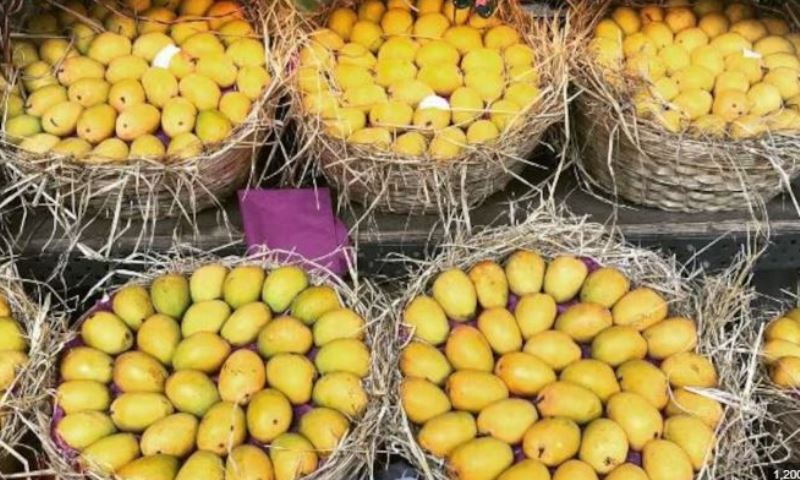
India’s mango exporters are facing mounting challenges as the ongoing West Asia conflict disrupts shipping routes, leading to an acute shortage of refrigerated containers (reefers) and a sharp rise in logistics costs.
Exporters say the crisis has severely impacted the movement of perishable cargo, with container availability tightening and freight rates surging due to rerouting of vessels and added war-risk premiums. Industry estimates suggest logistics costs have risen significantly, in some cases by 60–80%, squeezing already thin margins.
The shortage of reefer containers has become particularly critical during the peak mango export season, when timely shipments are essential to preserve quality. With shipping lines avoiding high-risk zones and reducing services to key Gulf destinations, exporters are struggling to secure slots, forcing delays and cancellations.
The disruption has also led to a build-up of perishable cargo at ports. In some cases, refrigerated containers carrying fruits and vegetables have been stranded due to suspended sailings and route uncertainties, raising the risk of spoilage and financial losses.
Mango exporters, especially those dealing in premium varieties like Alphonso, are increasingly concerned about missing peak demand windows in key markets such as the Middle East and Europe. The situation is further compounded by longer transit times, which affect fruit quality and buyer confidence.
Industry players warn that unless container availability improves and freight rates stabilise, exporters may be forced to divert shipments to the domestic market at lower prices, impacting farmer incomes.
As the conflict continues to reshape global shipping patterns, India’s perishable export sector—including mangoes—remains vulnerable to logistics bottlenecks, highlighting the critical role of cold-chain infrastructure in sustaining agri-exports.