
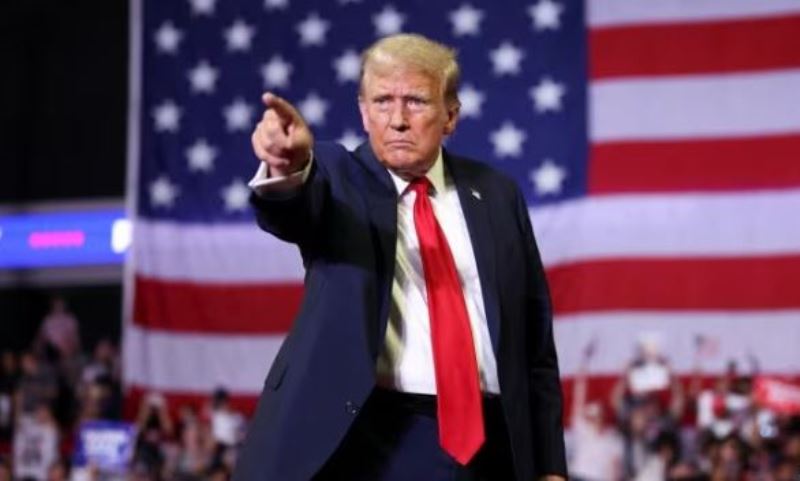
The United States, under President Donald Trump, has announced sweeping 50% tariffs on imports from countries supplying military weapons to Iran, in a move that coincides with a recently agreed two-week ceasefire in the region.
The tariffs, which are to be applied immediately and without exemptions, are aimed at deterring foreign military support to Tehran while maintaining economic pressure during ongoing diplomatic negotiations.
Although no official list of targeted countries has been released, analysts point to concerns over potential arms links involving major economies such as China and Russia. Both nations have denied recent weapons transfers, though reports suggest continued cooperation in areas such as missile components and dual-use technologies.
The announcement comes just hours after Washington and Tehran agreed to a temporary ceasefire, creating a dual-track strategy that combines diplomatic engagement with economic pressure. Industry observers say this approach reflects an attempt to stabilize the situation while limiting Iran’s military capabilities through indirect measures.
However, the tariff move raises legal and procedural questions within the United States. Recent court rulings have constrained the administration’s ability to impose broad tariffs under emergency powers, meaning alternative legal routes may be required for enforcement.
Trade experts warn that the measure could escalate tensions with key global trading partners and disrupt international supply chains, particularly if major exporting nations are affected. The policy may also have ripple effects on commodities, manufacturing, and technology sectors tied to cross-border trade.
Despite the ceasefire, uncertainty remains high, with global markets and shipping routes closely monitoring developments. Analysts caution that while the truce offers short-term relief, the combination of tariffs and geopolitical tensions could continue to weigh on global trade flows in the coming weeks.