
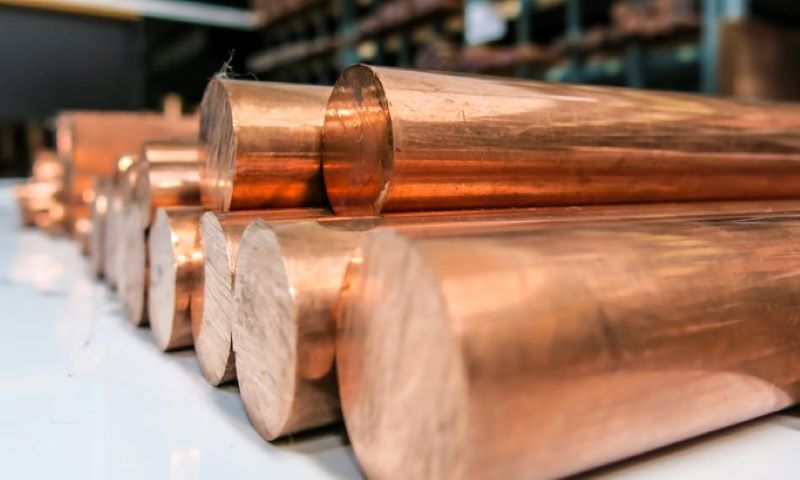
India could soon eliminate its dependence on refined copper imports as domestic production capacity expands, according to the Managing Director of Hindalco Industries. The company said ongoing investments and rising local output are expected to strengthen India’s self-sufficiency in the strategically important metal sector.
The statement comes amid increasing domestic demand for copper from industries such as electric vehicles, renewable energy, power transmission, electronics, and infrastructure development. India has witnessed a rise in refined copper imports in recent years following the closure of some large domestic production facilities, leading to supply gaps in the market.
Hindalco said the country’s copper industry is now witnessing renewed expansion, with companies investing in smelting, refining, and downstream manufacturing capacities to meet growing consumption needs. The company also highlighted the importance of copper in India’s energy transition plans and manufacturing growth under various government initiatives.
Industry analysts noted that rising domestic production could help reduce import dependence, improve supply chain security, and lower exposure to global price volatility. Increased local refining capacity may also support India’s ambitions to become a major manufacturing hub for clean energy technologies and electrical equipment.
India’s copper demand is expected to continue growing steadily over the next decade, driven by rapid urbanisation, electrification projects, renewable energy installations, and expansion in the automotive and consumer electronics sectors. Experts said sustained investments in mining and refining infrastructure will be critical to maintaining long-term supply stability.