
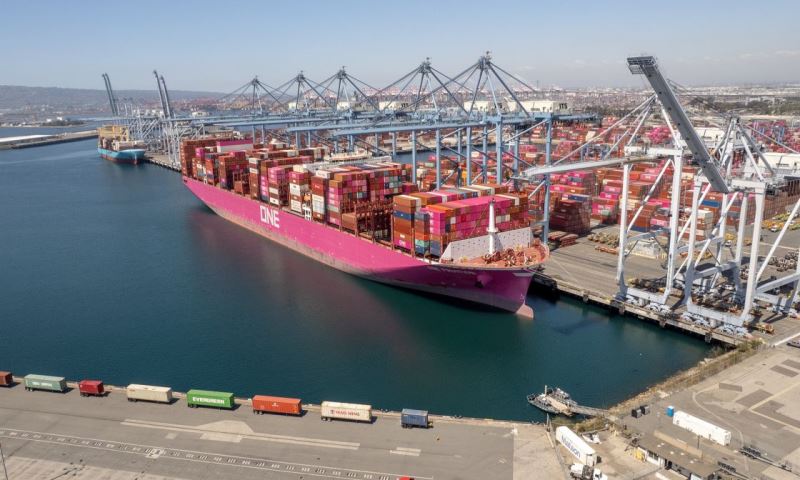
The Indian government has initiated a review of the relaxed coastal shipping cabotage rules, amid ongoing debate within the maritime and logistics industry over their impact on domestic shipping operators and coastal trade dynamics.
The review comes as stakeholders assess the effectiveness of earlier policy changes that eased restrictions on foreign-flagged vessels operating in India’s coastal trade. The relaxation was originally introduced to improve capacity availability, enhance competition, and reduce logistics costs along domestic shipping routes.
However, industry representatives have raised concerns that increased participation of foreign vessels in coastal cargo movement could affect the competitiveness of Indian-flagged ships. Domestic operators argue that uneven cost structures and regulatory differences may place them at a disadvantage in certain segments of coastal trade.
Cabotage regulations govern the transportation of goods between two points within a country by foreign carriers. India has progressively relaxed these rules in recent years to support trade efficiency and improve multimodal logistics connectivity, particularly for containerized and bulk cargo movement along its extensive coastline.
Officials are expected to evaluate the impact of the policy on freight rates, service reliability, fleet utilization, and investment in domestic shipping capacity. The review will also consider feedback from shipping lines, port authorities, exporters, and logistics service providers.
Industry analysts note that coastal shipping plays a crucial role in reducing congestion on road and rail networks while offering a cost-effective and environmentally efficient alternative for cargo movement. Any policy adjustments are likely to balance the need for competitive freight services with the objective of strengthening India’s domestic maritime ecosystem.
Stakeholders are also expected to examine how cabotage relaxation aligns with broader initiatives such as the development of transshipment hubs, port modernization, and the expansion of coastal economic zones.
The outcome of the review could shape the future framework of coastal shipping in India, influencing investment decisions, fleet expansion plans, and the overall competitiveness of domestic maritime transport.