
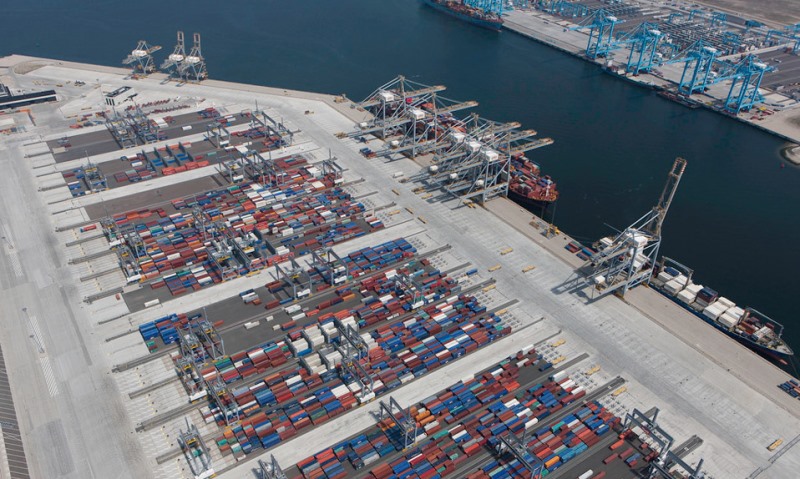
The Port of Rotterdam Authority has launched a new initiative to support the restoration of native oyster reefs in the North Sea, reinforcing its commitment to marine biodiversity and sustainable port development.
The project focuses on rebuilding populations of the European flat oyster, a species that once flourished in the North Sea but declined sharply over the past century due to overfishing, disease and habitat degradation. By restoring oyster reefs, the initiative aims to revive important marine ecosystems that provide shelter and breeding grounds for fish, shellfish and other sea life.
Working with environmental organizations, research institutions and industry partners, the Port of Rotterdam will help establish new oyster reef habitats in suitable offshore locations. The project includes monitoring reef development, assessing ecological impacts and applying scientific research to improve long-term restoration success.
Healthy oyster reefs also contribute to stronger marine ecosystems by naturally filtering seawater, improving water quality and enhancing biodiversity. In addition, restored reefs can help stabilize seabed sediments and increase the resilience of coastal environments against climate-related pressures.
The initiative forms part of the Port of Rotterdam’s broader sustainability strategy, which combines industrial growth with environmental stewardship. Alongside investments in clean energy, low-carbon fuels and circular economy projects, the port is expanding efforts to protect and restore natural habitats within and beyond its operational area.
Industry observers view the oyster restoration programme as an example of how major ports can contribute to marine conservation while supporting sustainable economic development. Similar habitat restoration projects are gaining momentum across Europe as governments, ports and private companies seek to balance expanding maritime activity with the protection of marine ecosystems.
The latest initiative further strengthens the Port of Rotterdam’s role in promoting nature-based solutions and demonstrates the growing importance of biodiversity restoration in the global maritime sector.