
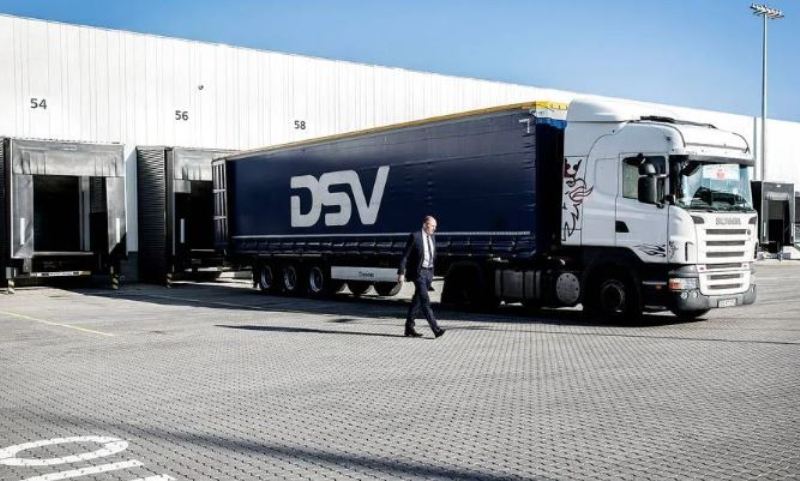
DSV has expanded its pharmaceutical logistics capabilities in South Korea with the opening of a new Air ThermoDirect facility at Incheon International Airport, strengthening temperature-controlled connections between the country’s growing biopharmaceutical sector and major global markets.
The new facility provides more than 2,000 square metres of dedicated storage maintained at 2°C to 8°C. It is designed to operate in line with Good Distribution Practice (GDP) standards and features direct access to the airport tarmac, helping reduce handling and exposure time for temperature-sensitive pharmaceutical shipments.
The Incheon hub forms part of DSV’s expanding Air ThermoDirect network, which combines dedicated air transport capacity with temperature-controlled storage, reusable active and passive thermal packaging, and end-to-end shipment monitoring.
The new operation is aimed at supporting pharmaceutical and biopharmaceutical manufacturers in South Korea, particularly those serving international clinical and commercial markets in North America and Western Europe. South Korea has become an important centre for biopharmaceutical manufacturing, increasing demand for reliable cold-chain logistics.
DSV said the facility will provide customers with greater control over temperature-sensitive cargo while supporting faster and more reliable transportation on key international trade lanes. The company’s Air ThermoDirect offering is intended to maintain temperature integrity throughout the logistics process, an important requirement for products such as biologics, vaccines and other sensitive healthcare shipments.
Kenneth Kallström, DSV’s Executive Vice President and Global Enterprise Vertical Head for Healthcare, said the expansion connects South Korea with major healthcare and life-sciences markets while strengthening resilience and visibility across pharmaceutical supply chains.
The Incheon investment also expands DSV’s existing healthcare logistics capabilities in South Korea, where the company operates offices and facilities in Seoul, Incheon and Busan. Its wider healthcare portfolio includes GDP-compliant warehousing, cold-chain transportation, air freight and specialised pharmaceutical logistics.
The new hub is expected to support growing pharmaceutical exports from South Korea while giving manufacturers access to more controlled and integrated air-cargo solutions for temperature-sensitive products.