
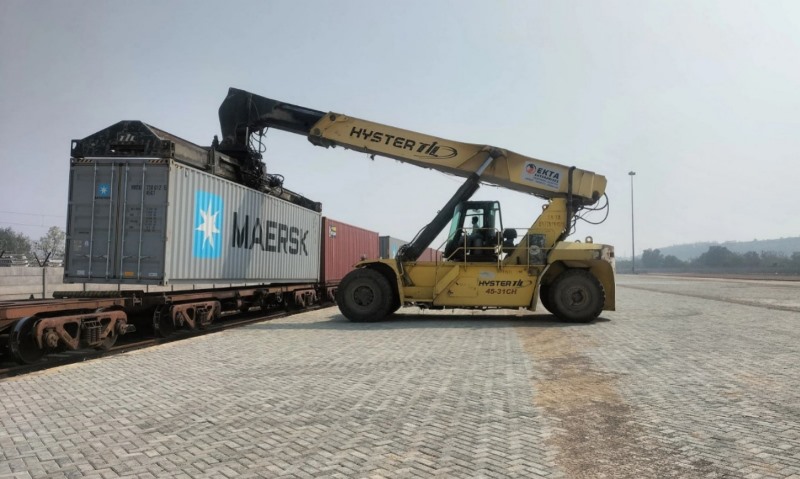
Maersk has announced revised intermodal fuel fees for shipments in five Balkan countries, updating charges applied to inland transportation services.
The adjustment covers intermodal movements in Croatia, Serbia, Slovenia, Bosnia and Herzegovina, and Montenegro, with the revised fees applying to eligible shipments from October 2026.
The intermodal fuel fee is used to reflect changes in fuel-related costs associated with inland transportation. The latest update forms part of Maersk’s regular review of inland transport charges across its European network.
For shippers, the revised fees will affect the overall cost of moving containers by a combination of road and rail services in the covered markets. The final charge depends on the origin, destination, transport mode and equipment used for each shipment.
Maersk continues to use intermodal transportation as part of its integrated logistics offering, connecting ports with inland destinations across Europe. Such services allow customers to combine ocean transportation with road and rail links under coordinated logistics arrangements.
The Balkan region is an important transit and distribution area for cargo moving between Mediterranean ports and markets in Southeast and Central Europe. Changes in inland fuel-related charges can therefore influence the total logistics cost for exporters and importers using these corridors.
The latest revision comes as transportation providers across Europe continue to adjust fuel-related charges in response to fluctuations in energy prices and operating costs.
Customers using Maersk’s intermodal services in the affected markets have been advised to check the latest tariff information for the applicable fuel fee and effective date. The revised charges will be reflected in quotations and bookings where applicable.
Maersk regularly reviews inland transportation surcharges across its network to align charges with changes in operating conditions and fuel costs.