
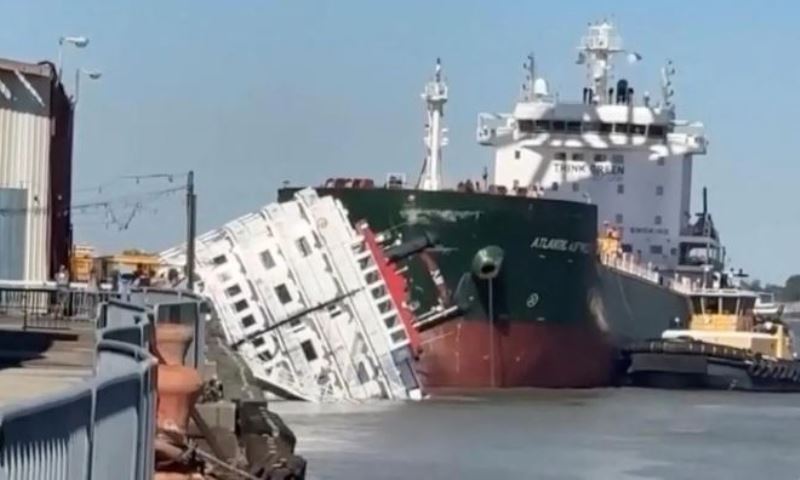
A US federal court has ordered the arrest of an oil tanker involved in a collision with a cruise ship in New Orleans, escalating legal proceedings following the maritime accident.
The arrest order is understood to be part of legal action seeking to secure the vessel and protect potential claims arising from the collision. Such orders allow claimants to seek the detention of a ship within US jurisdiction while maritime liability and compensation issues are examined.
The incident has drawn attention to maritime safety and vessel movement in the busy port and shipping channels around New Orleans, an important gateway for commercial shipping along the Mississippi River.
The collision is expected to trigger investigations into the circumstances surrounding the incident, including vessel navigation, operational procedures and the responsibilities of the parties involved.
In maritime disputes, courts can order the arrest of a vessel as security against claims for damages, particularly when questions of liability and compensation remain unresolved.
The legal proceedings could involve claims relating to damage to the vessels, potential operational losses and other costs arising from the accident.
The incident highlights the importance of navigational coordination and safety procedures in waterways handling a combination of commercial cargo vessels, tankers and passenger ships.