
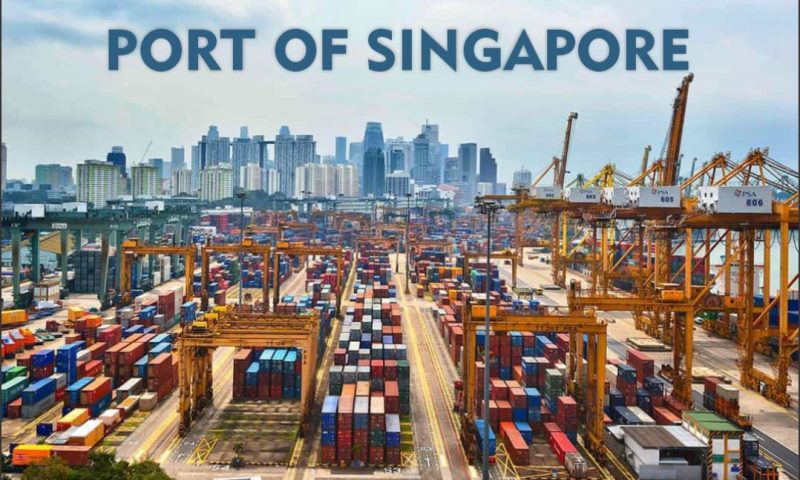
Singapore has retained its position as the world’s leading maritime city for the seventh time, reinforcing its status as a major global shipping, logistics and maritime services hub.
The achievement highlights Singapore’s continued strength in port infrastructure, shipping connectivity, maritime technology, regulatory efficiency and its ability to attract international shipping companies and maritime service providers.
The 2026 Leading Maritime Cities report, prepared by DNV and Menon Economics, evaluates maritime hubs across five pillars: shipping, maritime finance and law, maritime technology, ports and logistics, and attractiveness and competitiveness. Singapore ranked first in three categories: Shipping, Ports and Logistics, and Attractiveness and Competitiveness.
Singapore’s maritime ecosystem is home to more than 200 international shipping groups and is connected to over 600 ports worldwide. Its extensive network of shipping companies, maritime service providers and logistics operators continues to attract global businesses.
The Port of Singapore handled a record 44.66 million TEUs of containers in 2025, while vessel arrivals reached 3.22 billion gross tonnage. Marine fuel sales also hit a record 56.77 million tonnes, maintaining Singapore’s position as the world’s largest bunkering port.
The Maritime and Port Authority of Singapore (MPA) said continued investments in port automation, maritime digitalisation, innovation and alternative marine fuels are strengthening the country’s competitiveness.
Ang Wee Keong, Chief Executive of MPA, attributed the achievement to the combined strengths of port connectivity, maritime services, skilled talent and collaboration between government agencies and industry partners.
Singapore’s latest recognition reinforces its position as a leading international shipping and logistics hub amid growing competition among major maritime centres, particularly in Asia.