
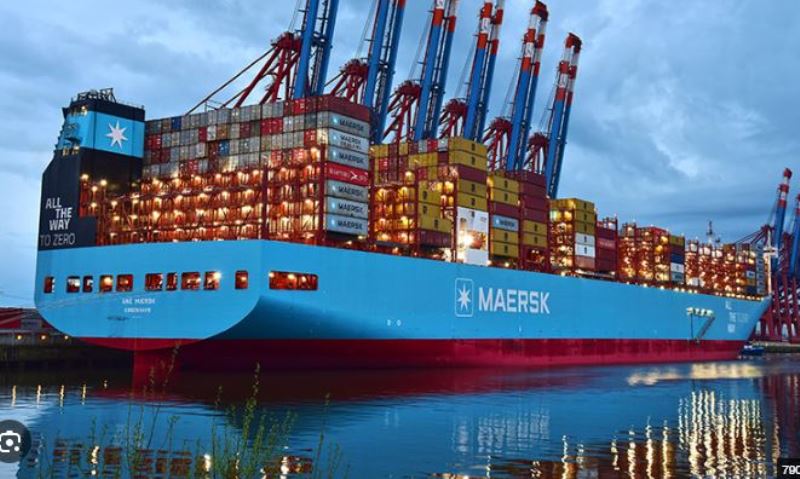
Maersk has extended the transition period for its No Shipping Instruction, No Load Policy covering export cargo from Australia and New Zealand, postponing the planned full enforcement date of November 30, 2026.
The shipping line initially introduced a soft launch of the policy on November 2, 2026, giving exporters time to adapt to the new documentation requirements. However, following discussions with customers, Maersk has decided to provide additional time for businesses to establish the necessary processes and resolve outstanding readiness issues.
Under the policy, exporters must submit complete and accurate Shipping Instructions, review the draft Bill of Lading (Verify Copy) and complete any required amendments before cargo can be confirmed for vessel planning.
Maersk had initially required the documentation and verification process to be completed at least 38 hours before the vessel’s estimated arrival at the loading port. The carrier has now placed this deadline under review, although the requirement to complete documentation before loading remains unchanged.
The revised transition period will allow exporters, freight forwarders and logistics providers to strengthen their documentation procedures and coordinate more effectively with Maersk’s local teams.
Once fully implemented, shipments that fail to meet the documentation requirements may be excluded from the final vessel loading list and rolled to subsequent sailings. Customers could also face additional costs, including storage, detention, demurrage, terminal handling and rehandling charges.
Maersk has not announced a new date for full enforcement but said it would provide customers with advance notice before implementing the policy.
The extension offers temporary relief to exporters in Australia and New Zealand, while highlighting the growing importance of accurate shipping documentation and timely verification in international container transportation.