
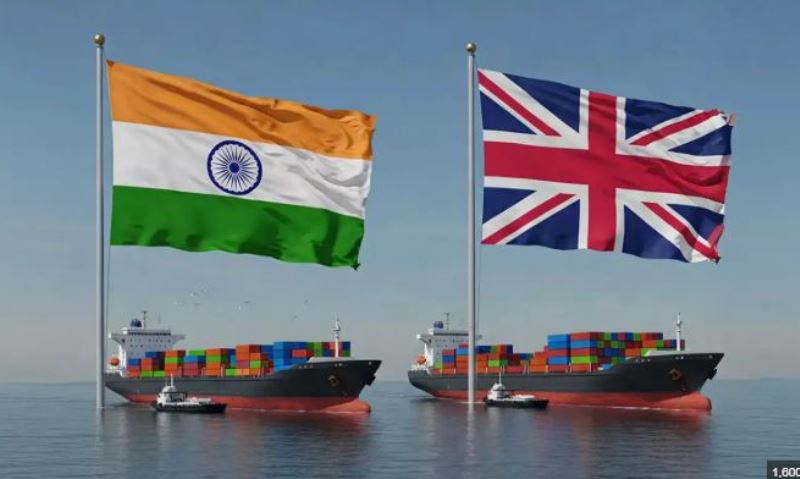
The India-UK Comprehensive Economic and Trade Agreement (CETA) is expected to provide fresh momentum to cross-border cargo movement, e-commerce shipments and international logistics services, opening up new opportunities for exporters, MSMEs and logistics service providers.
The agreement, which came into force on 15 July 2026, aims to improve market access and reduce trade barriers between the two countries. Bilateral trade between India and the UK was valued at approximately £48 billion in 2025, with the agreement projected to increase annual trade by £25.5 billion in the long term.
Nearly 99% of Indian exports are expected to receive zero-duty access to the UK market, creating opportunities across several sectors and potentially encouraging higher cargo volumes between the two countries.
The benefits are expected to extend beyond conventional commercial cargo to include cross-border e-commerce shipments and exports by small businesses. As more Indian enterprises explore the UK market, demand is likely to grow for efficient customs clearance, shipment tracking, reliable international delivery and last-mile logistics services.
The expansion of India’s e-commerce export ecosystem, supported by dedicated export hubs and streamlined logistics arrangements, could further help MSMEs and smaller businesses access international markets.
Personal shipments are also expected to contribute to the growth of the India-UK logistics corridor. Parcels and household consignments from students, professionals and families, along with increasing demand from Tier-2 and Tier-3 cities, could create additional opportunities for international courier and cargo operators.
Commenting on the potential impact, Asad Ali Mirza, Director of Cargo Force, said the trade agreement presents an opportunity for the logistics sector to serve a wider base of businesses and customers. He noted that expanding trade could generate growth across commercial cargo, e-commerce and personal shipments.
The agreement is therefore expected to strengthen the India-UK trade corridor while creating additional opportunities for freight forwarders, courier companies, cargo operators and other logistics service providers.