
The Indian Institute of Technology (IIT) Madras, under the patronage of the Office of the Principal Scientific Adviser to the Government of India, will organise the ‘eCV Dialogue’ on January 21 and 22, 2027, to identify solutions for accelerating the adoption of electric commercial vehicles (eCVs) in India.
The two-day national conclave will bring together policymakers, industry leaders, fleet operators and researchers to examine the factors slowing the electrification of India’s commercial vehicle sector, particularly medium and heavy-duty trucks. The discussions will focus on translating technological progress and policy support into practical measures for accelerating the country’s electric trucking transition.
According to IIT Madras, medium and heavy-duty vehicles account for nearly 25 per cent of India’s oil import bill, making their electrification an important component of the country’s energy security strategy. However, electric trucks currently represent only around 0.2 per cent of N3 category commercial vehicle sales, highlighting the significant gap between policy ambition and market adoption.
The dialogue will address key challenges involving policy frameworks, charging infrastructure, vehicle technologies, financing models and transition roadmaps. Drawing inspiration from the Indian tradition of Shastrartha, the platform aims to bring diverse industry perspectives together and develop actionable recommendations.
The proposed outcomes include policy recommendations, standard operating procedures for charging networks, battery and vehicle safety standards, and financial incentives such as toll waivers and mechanisms to support net-zero transitions.
Despite government initiatives, including incentives for N2 and N3 electric trucks under the PM E-DRIVE scheme, adoption continues to face several commercial and operational challenges. High upfront vehicle acquisition costs compared with diesel trucks remain a major barrier for fleet operators. Concerns over lower per-tonne freight rates offered by some industrial shippers for electric transport, coupled with relatively cautious lending practices by banks, are also affecting investment decisions.
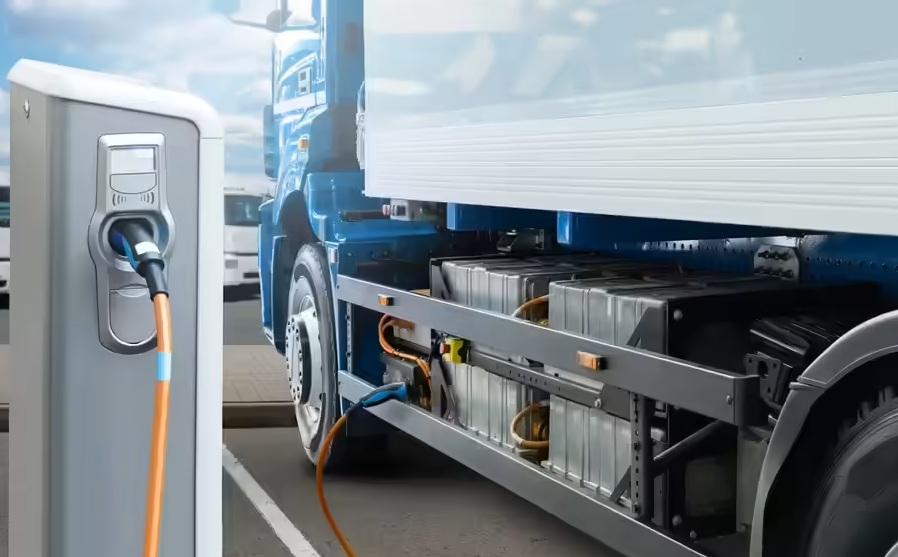
Infrastructure and operational limitations present additional hurdles, particularly for long-haul highway transportation. Heavy battery packs create payload and driving-range trade-offs, while the availability of reliable charging and battery-swapping facilities remains critical to vehicle utilisation and operating efficiency.
Consequently, electric commercial vehicle adoption is currently more viable in predictable, fixed-route operations, including ports, mining, cement transportation and mid-mile logistics, where depot charging or battery-swapping infrastructure can be planned around established operating schedules.
The eCV Dialogue is expected to provide a collaborative platform for addressing these challenges and developing practical pathways to make electric trucking commercially viable, operationally efficient and scalable across India’s freight and logistics ecosystem.