
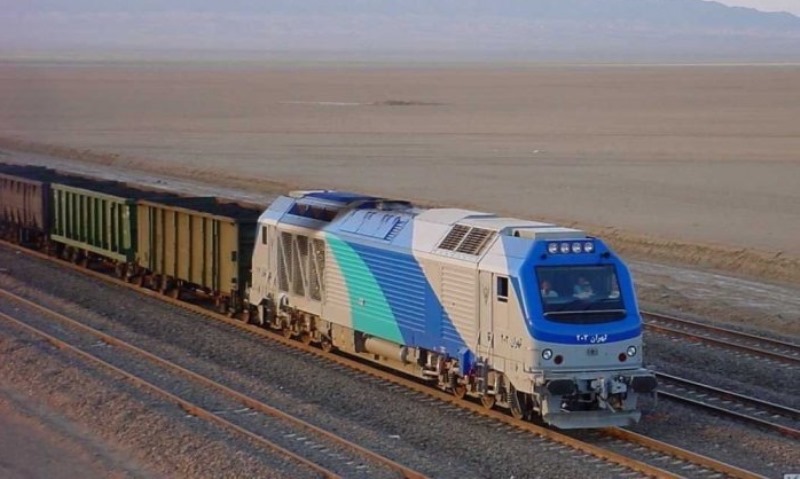
Afghanistan’s rail sector has recorded a sharp rise in freight activity, with total cargo throughput increasing 33% year on year, underscoring the country’s growing role as a regional transit corridor.
According to the Afghanistan Railway Authority, the surge was driven by higher volumes of bulk commodities, fuel shipments and transit cargo moving between Central Asia and South Asia. The expansion reflects improved cross-border coordination and efforts to streamline customs procedures along key trade routes.
Rail-linked trade through border crossings such as Hairatan, Aqina and Torghundi witnessed notable gains, supported by stronger demand for construction materials, food grains and petroleum products. Officials said operational efficiencies and better wagon availability also contributed to faster cargo movement.
The increase in throughput comes as Afghanistan continues to position itself as a land bridge connecting markets in Uzbekistan, Turkmenistan and Iran with ports in Pakistan. Industry observers note that enhanced rail connectivity could help reduce transport costs, ease road congestion and improve supply chain reliability for regional exporters.
Authorities indicated that further investments in rail infrastructure, logistics hubs and digital tracking systems are planned to sustain growth momentum. If current trends continue, annual cargo volumes are expected to reach a new high by the end of the fiscal year.