
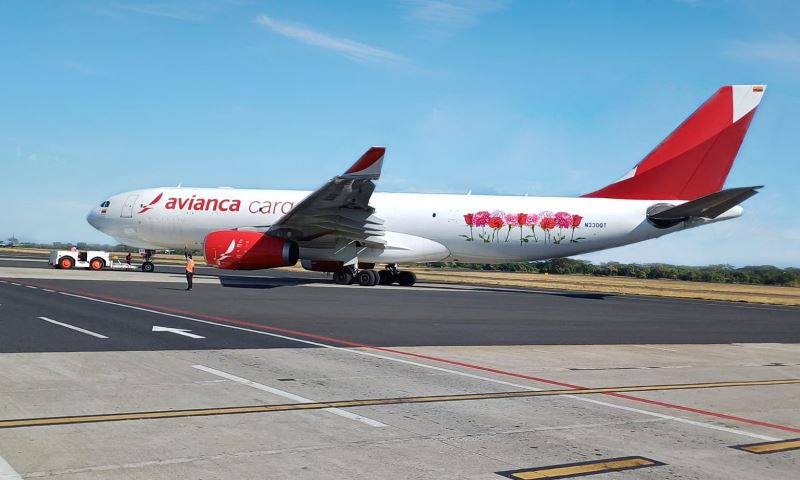
Avianca Cargo has transported 60 tons of humanitarian aid from Miami to Cali, Colombia, supporting relief and recovery efforts following recent earthquakes that affected communities across the country. The shipment arrived on August 14 aboard an Airbus A330 freighter.
Of the total cargo, 9 tons were coordinated by the Colombian government, while another 51 tons were donated by the Global Empowerment Mission (GEM). The shipment included electric generators, hygiene supplies and non-perishable food intended for communities most affected by the disaster.
The latest operation forms part of Avianca’s wider humanitarian response. During the first two days of the emergency, the airline transported more than 150 tons of humanitarian supplies using its cargo and passenger network to support affected communities.
The Miami-Cali operation was coordinated with government authorities, GEM and local partners to accelerate the movement of essential supplies. Once received in Cali, the aid will be distributed according to the needs of affected communities.
Avianca Cargo said its logistics infrastructure and freighter capacity allow it to respond quickly when humanitarian emergencies require large volumes of essential supplies. The airline has previously supported earthquake relief efforts in Venezuela, transporting 58 tons of humanitarian aid from Miami to Caracas in July.
The latest shipment highlights the role of air cargo in humanitarian response, enabling critical equipment and supplies to reach disaster-affected areas quickly when conventional logistics networks may face disruption.