
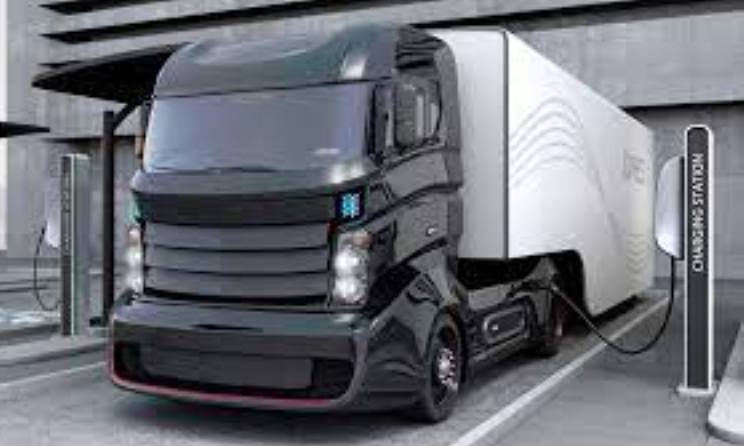
West Bengal is poised to play a significant role in India’s transport electrification efforts, particularly in scaling up electric trucks, according to the International Council on Clean Transportation (ICCT), a non-profit, independent research institute for sustainable transportation.
With the state’s strong electric vehicle (EV) policies and infrastructure plans, it is set to become a key player in the electrification of the transport sector, contributing to India’s climate goals.
The Ministry of Heavy Industries (MHI) has established an EV taskforce, with the ICCT leading the work on truck electrification and supporting infrastructure. This taskforce aims to develop an action plan for adopting electric trucks and creating the necessary infrastructure across India.
The transport sector is a major contributor to climate change, and increasing the adoption of EVs is crucial for India to meet its Paris Agreement targets and Nationally Determined Contributions (NDCs). The shift to electric transport is essential to address climate, environmental, and economic impacts.
Currently, electric truck registrations in India are minimal, with only around 250 trucks registered. Amit Bhatt, Indian Managing Director at ICCT, highlights that West Bengal’s EV policy includes significant investments in charging infrastructure, which is vital for truck electrification. The state’s commitment to EVs is evident through its robust policies and support for the transition.
Kolkata, the capital of West Bengal, is also focusing on reducing greenhouse gas (GHG) emissions. According to Palak Thakur, Senior Researcher at ICCT, transportation accounts for 18% of the city’s total CO2 emissions. Projections indicate that vehicle emissions will increase from 378 tons/day in 2008 to 749 tons/day in 2025, mainly from buses, emphasizing the need for electric buses.
With policy support from the Faster Adoption and Manufacturing of Hybrid and Electric Vehicles (FAME) scheme and state EV policies, the uptake of electric buses is already visible in Indian cities. West Bengal, particularly Kolkata, stands to benefit significantly from these initiatives.
The electrification of trucks and buses is a crucial step towards reducing GHG emissions and mitigating climate change impacts. With comprehensive policies and infrastructure development, West Bengal is set to contribute significantly to India’s clean transportation transition.