
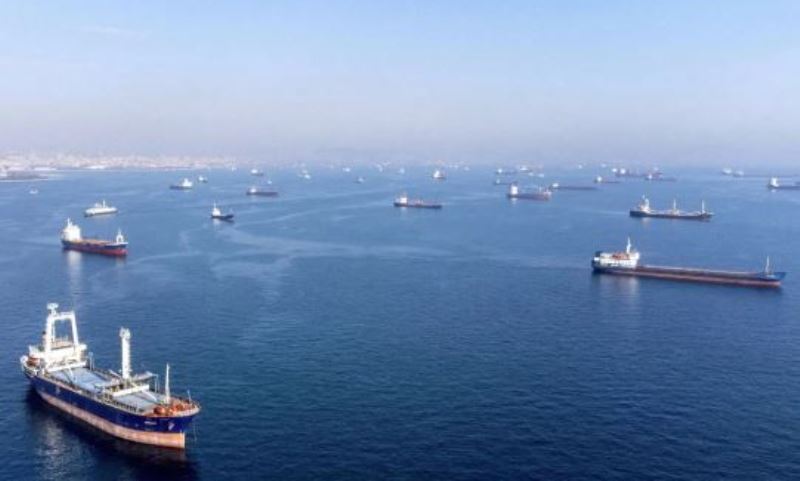
The Black Sea has emerged as the world’s deadliest shipping route in 2026, with more than 570 vessels reportedly struck and at least 40 sailors killed since the beginning of the year. The region has surpassed the Persian Gulf in both the number of attacks on commercial shipping and maritime fatalities, highlighting the growing risks facing global maritime trade.
According to a Financial Times report published on October 25, citing maritime security firm Ambrey and the International Maritime Organization (IMO), attacks on commercial vessels in the Black Sea have reached levels more than six times higher than those recorded in the Persian Gulf, where 24 sailor deaths have been confirmed.
The security situation deteriorated sharply during the third quarter. Between July and September, 387 vessels were struck, more than five times the number reported in the preceding quarter. Ambrey estimates that Russia was responsible for approximately 90% of attacks on shipping over the preceding 45 days.
Attacks Spread Towards NATO Waters
Recent incidents have extended beyond Ukrainian waters, raising concerns over the widening geographical reach of maritime security threats. On October 23, a tanker was struck near Romania’s coast, leaving one sailor dead and three others missing.
Earlier, on October 15, drones reportedly struck two chemical tankers near Romania, including the Wine Trader and Yara J. The incidents have heightened concerns over the safety of commercial vessels operating near NATO member states and the potential for further escalation in the Black Sea region.
Ukraine’s Port Operations Hit Hard
The escalating attacks have severely disrupted operations at Ukraine’s Greater Odesa ports. According to port operator TIS, fewer than 10 ships passed through the ports last month, compared with approximately 400 in July, underscoring the scale of the disruption to maritime traffic.
Shipping companies are also confronting a steep rise in war-risk insurance premiums. The Financial Times reported that premiums could reach 15% of a vessel’s hull value, nearly twice the rate for ships operating in the Persian Gulf. The rising cost of insurance, combined with heightened operational risks, is making Black Sea voyages increasingly expensive.
In response, some operators have withdrawn from Black Sea routes, while others are deploying older vessels, in some cases up to 50 years old, to limit insurance-related expenses.
Agricultural Exports Face Further Disruption
The impact extends beyond shipping operations to Ukraine’s agricultural export trade. Maritime shipments fell to 1.4 million tonnes in August, approximately 75% below pre-war levels. Continued attacks on port infrastructure have also complicated efforts to divert cargo through alternative routes, including the Danube.
The deteriorating security environment is adding uncertainty to regional supply chains, increasing freight-related costs and threatening the reliability of key export corridors for agricultural commodities.
With attacks spreading across a wider area of the Black Sea, shipping companies, insurers and cargo owners face mounting pressure to reassess route risks, vessel deployment and contingency arrangements. The continued disruption could have wider implications for maritime trade, commodity movements and the cost of transporting goods through the region.