
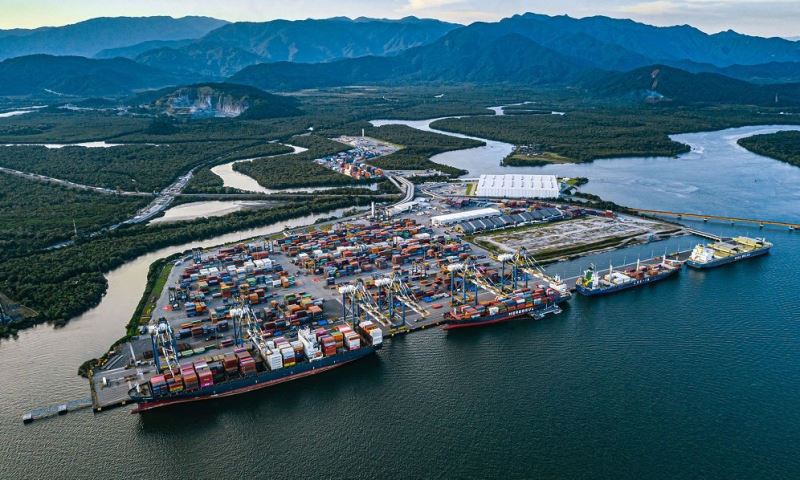
Brazil’s Federal Audit Court (TCU) has thrown up a major hurdle for global terminal operators at the Port of Santos, voting to bar current concessionaires from taking part in the first phase of bidding for the port’s planned mega container terminal.
In a six-to-three decision on Monday, the TCU said operators already active in Santos pose a risk of excessive market concentration and should therefore be excluded from the opening round of the auction.
The ruling delivers a setback to Maersk, MSC and other carriers and terminal groups with existing footprints in Latin America’s largest port. Under the TCU’s recommendation, these companies would only be allowed to participate if the first phase fails to produce valid bids – effectively putting them at the back of the line for one of Brazil’s most strategically significant concessions.
The planned mega terminal at Santos is central to Brasília’s ambitions to expand capacity and modernise national logistics. But the TCU has repeatedly raised concerns that allowing incumbent players to win new areas inside the same port risks creating dominant positions that could distort competition.
The federal government must now evaluate and respond to the court’s recommendation before moving ahead with the tender.