
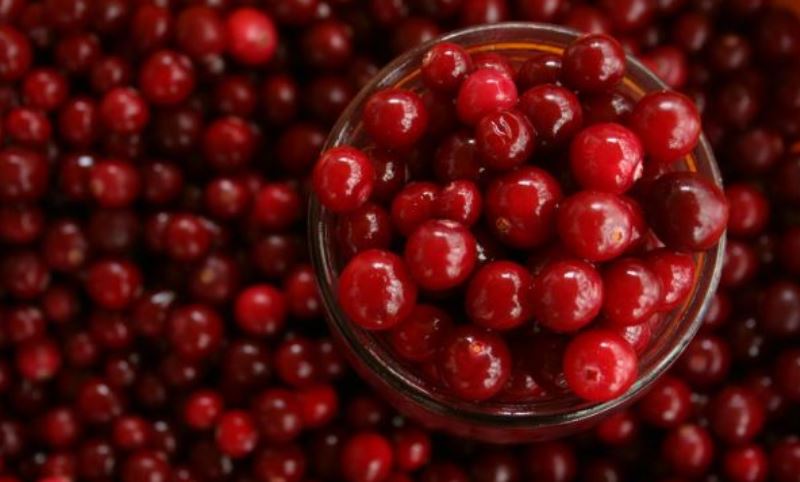
India is giving duty concessions to niche British agricultural products like cranberries, durians, certain varieties of mushrooms, leeks, lettuce, and artichokes under its free trade agreement with the UK, according to the commerce ministry.
These products have negligible production in India, the ministry said.
“India has liberalised access for some UK agricultural products, like cranberries, durians, certain varieties of mushrooms, leeks, lettuce, artichokes,” the ministry said.
However, India is not giving any concession on sensitive items like apples, pineapples, oranges, and pomegranates in the comprehensive economic and trade agreement (CETA).
Over 95 per cent of Indian tariff lines or product categories in the agri sector will now enjoy zero-duty access to the UK market.
“India-UK CETA will allow Indian farmers to fetch premium prices for their products in the UK market, thereby granting parity with major EU exporters like Germany and Netherlands, who currently enjoy zero tariffs,” it said.
It added that significant gains are estimated for fresh grapes; bakery items, like bread, pastry, cakes; onions and mixed vegetables; natural honey; preserved vegetables, fruits, and sauces.
“In the sensitive dairy sector, the entire chapter 4 of the tariff schedule, pertaining to dairy products like milk, cheese, butter, dairy spreads, ghee etc are in the exclusion list, thereby safeguarding the interests of our dairy producers,” it added.
Similarly, in the cereals category, major crops like wheat, rice, maize, millets have been kept in the exclusion list by India, which ensures no risk of import surges or price undercutting for these essential crops.