
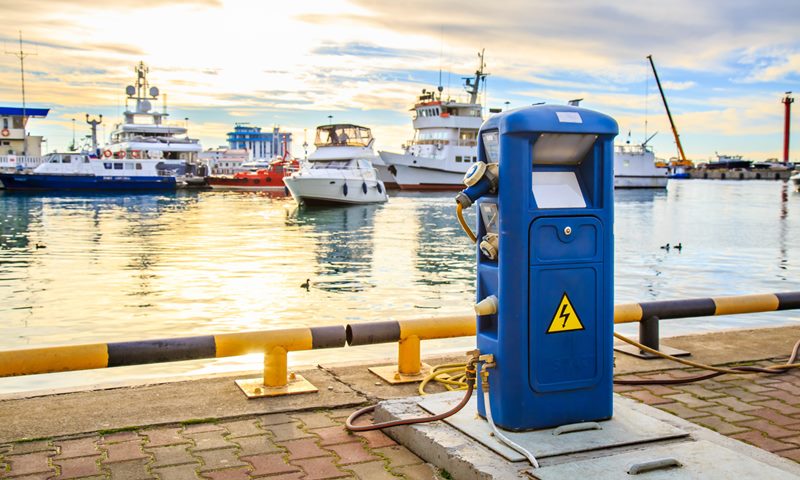
The state cabinet has approved the establishment of marine fuel stations by Reliance BP Mobility Ltd. (RML) on nomination basis at Captain of Ports (CoP) main jetty in Panaji, Britona Marine Slipway Jetty, and Old Goa jetty.
These stations will cater to the growing demand for low-sulfur marine fuel, particularly in the inland waters of Goa.
Govt’s approval to RML is in line with measures to reduce air pollution from shipping activities and aligns with regulations of the International Maritime Organization (IMO) 2020, which require ships to use fuel with a sulfur content of 0.5% or less.
The cabinet’s decision comes in response to the increasing number of vessels operating in Goa’s inland waters, particularly in Mandovi river within the Panaji port. Existing bunkering infrastructure at Mormugao port is insufficient to meet the current daily fuel demand of approximately 40,000 litres for inland waterways.
RML, a joint venture between Reliance Industries Limited and BP Global Investment Ltd, will set up skid-mounted fuelling facilities, which will be portable, require minimal land space and have in-built safety mechanisms.
State govt will not incur any costs for the project and will not be liable for any operational or maintenance issues. RML will be responsible for obtaining all necessary permits and complying with environmental regulations and has to comply with prescribed fuel standards as per IMO 2020 or any other regulations.