
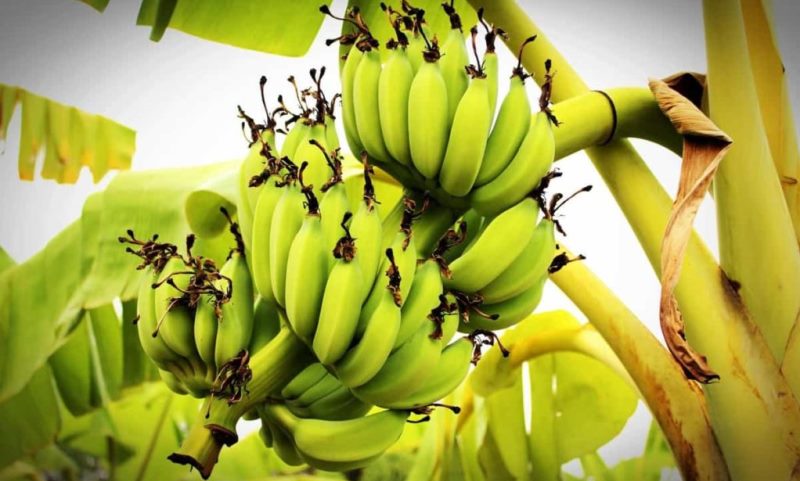
India, a leading force in the global banana market, is currently grappling with a critical challenge as extreme cold weather impacts its major banana-producing states. Temperatures in Maharashtra, Uttar Pradesh, Andhra Pradesh, and Karnataka have dropped below 12 degrees Celsius, causing severe chilling injuries to bananas. This is expected to reduce exports by 30%, resulting in an estimated financial loss of approximately $24 million, according to the Agricultural and Processed Food Products Export Development Authority (APEDA).
Kaustubh Bhamare of Pinnacle Agrotech reported a drastic drop in banana purchasing rates by traders, from $0.29-$0.34 per kg to $0.10-$0.17 per kg, due to the appearance of red spots on the fruit’s skin. This significant price drop has caused considerable distress among farmers and adversely affected the quality of exports.
The situation is particularly challenging for exporters who had secured new orders from Russia and Iran, demonstrating sustained demand for Indian bananas despite geopolitical tensions. However, this shortfall presents an opportunity for competitors like Ecuador and the Philippines to capture market share.
In response, farmers in Maharashtra’s Jalna and Sholapur districts are adjusting their planting schedules to mitigate future cold damage. However, the limited availability of tissue-cultured banana plants poses a challenge to recovery efforts. Ajay Kumar of Kedia Commodities suggests that early planting and harvesting could help avoid the adverse effects of cold weather on the banana industry.
This crisis in the Indian banana export sector underscores the need for innovative strategies and resilient approaches to maintain its leading position in the global market.