
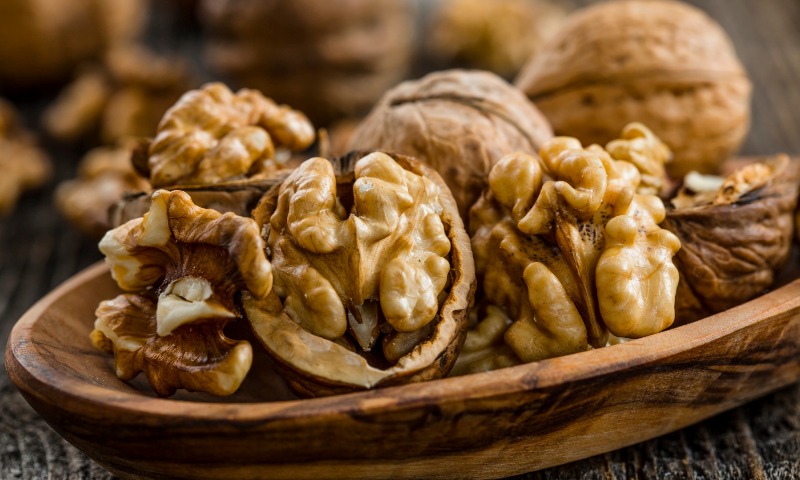
The Nuts and Dry Fruits Council of India (NDFC) on Wednesday urged the government to rationalise walnut import duty on a per-kilogram basis, reduce GST to 5 per cent, and introduce a production-linked incentive scheme for the sector in its pre-budget proposals. India’s dry fruits market is projected to hit USD 12 billion by 2029, growing at 18 per cent CAGR, according to the industry body.
With Kashmir producing over 90 per cent of domestic walnuts, NDFC President Gunjan V Jain emphasised the need for protecting local farmers despite the existing 100 per cent import tariff.
“We have sought per-kilo import duty on walnuts instead of percentage-based taxation,” Jain said while announcing MEWA India trade show’s second edition, scheduled for February 11-14 in Mumbai.
The council recommended setting walnut import duty at Rs 150 per kg, similar to almonds’ Rs 35 per kg rate.
Currently, India relies heavily on walnut imports from Chile and the USA to meet domestic demand.
The council has also requested increased subsidies for expanding production areas under walnut and other dry fruits to reduce import dependence.
NDFC sought GST reduction from 18 per cent to 5 per cent on dry fruits, considering their health benefits and to make them more affordable.
Additionally, the council has proposed implementing a production-linked scheme targeting small to medium-scale operators.
NDFC Treasurer Yash Gawdi highlighted that despite multi-fold growth in dry fruits demand, domestic production hasn’t kept pace.
While dry fruits offer better returns compared to other crops, challenges include small land holdings, infrastructure gaps, lower yields and long gestation periods.
The newly established council is conducting walnut plantation drives in Kashmir, Himachal Pradesh, and Uttarakhand, targeting 2 lakh trees in two years.
NDFC has partnered with a Chilean industry body for technology transfer and knowledge sharing.
The upcoming MEWA India trade show is expected to feature over 300 exhibitors from 50-plus countries, with 22 nations confirming participation.
India ranks as the world’s second-largest dry fruits consumer after the United States.