
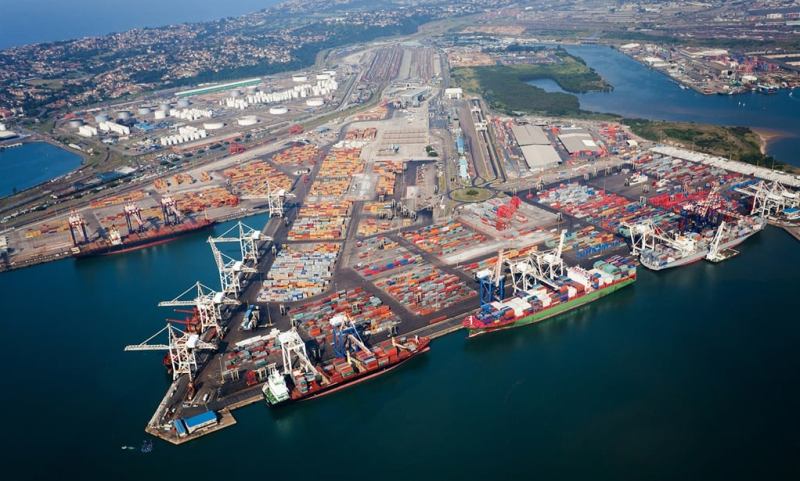
Durban Gateway Terminal (DGT) has introduced storage-charge relief for containers as congestion continues to affect operations at the Port of Durban in South Africa.
The measure is aimed at supporting customers facing delays in collecting or moving containers because of operational constraints at the terminal. By waiving applicable storage charges, DGT is seeking to reduce the additional costs incurred by cargo owners while congestion is being addressed.
Port congestion can create significant pressure across the container supply chain, affecting vessel berthing, container handling, truck turnaround times and cargo evacuation. Delays can also result in containers remaining at terminals for longer periods, increasing storage costs for importers and consignees.
The storage relief provides some financial support to customers whose cargo movements have been affected by the current operating conditions. Freight forwarders, shipping lines and cargo owners will need to coordinate closely to arrange timely container collection and minimise further delays.
Durban is South Africa’s principal container gateway and an important hub for regional imports and exports. Disruptions at the port can therefore have wider implications for inland logistics networks and supply chains serving South Africa and neighbouring markets.
Terminal congestion has also increased the importance of efficient cargo evacuation, with trucking and landside operations playing a key role in clearing containers from port facilities. Faster movement of boxes can help create additional terminal capacity and improve yard fluidity.
DGT’s decision to provide storage relief comes as customers continue to manage the operational impact of congestion. The waiver is expected to help mitigate some of the financial consequences for cargo that cannot be collected within normal timelines.
Shippers and logistics providers should check the terminal’s latest customer advisories for the applicable storage-waiver period, qualifying containers and other conditions associated with the relief.