
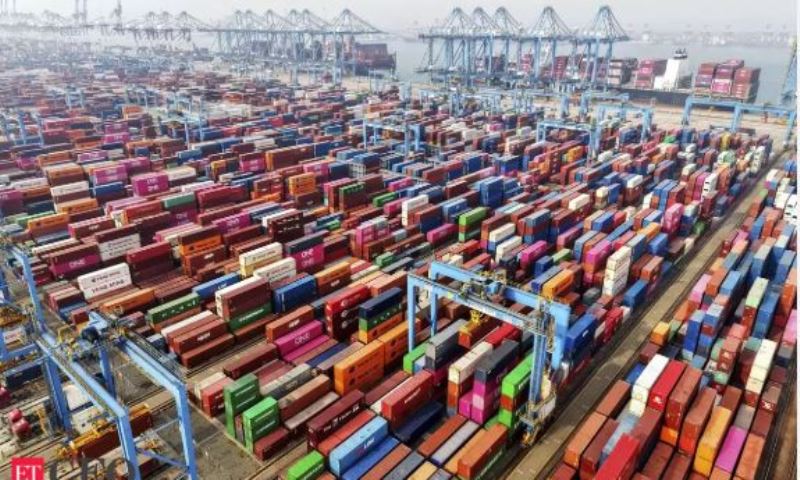
India’s growing cargo volumes are shifting logistics challenges beyond port terminals, with industry experts warning that inland transport and evacuation infrastructure are emerging as the next major bottlenecks in the country’s supply chain. While significant investments in port modernization have improved vessel turnaround times and terminal efficiency, congestion is increasingly being felt across road, rail, and inland logistics networks.
According to logistics and maritime experts, India’s major ports have expanded capacity over the past few years through mechanization, digitalisation, and infrastructure upgrades. However, the rapid rise in containerized trade, manufacturing activity, and export-import cargo has outpaced the development of hinterland connectivity, leading to delays in cargo evacuation and inland distribution.
Limited rail capacity, congested highways, shortages of container handling facilities, and inadequate multimodal logistics infrastructure are among the key challenges affecting cargo movement beyond port gates. These issues increase transit times, logistics costs, and supply chain inefficiencies for exporters, importers, and freight operators.
Experts emphasize that strengthening dedicated freight corridors, multimodal logistics parks, inland container depots (ICDs), and first- and last-mile connectivity will be critical to sustaining India’s trade growth. Greater integration between ports, railways, highways, and warehousing networks is also seen as essential to improving cargo flow and reducing congestion.
With India’s cargo volumes expected to continue rising on the back of expanding manufacturing, growing exports, and increased container traffic, industry stakeholders believe the next phase of infrastructure development must focus on seamless hinterland connectivity to complement the country’s expanding port capacity and support long-term economic growth.