
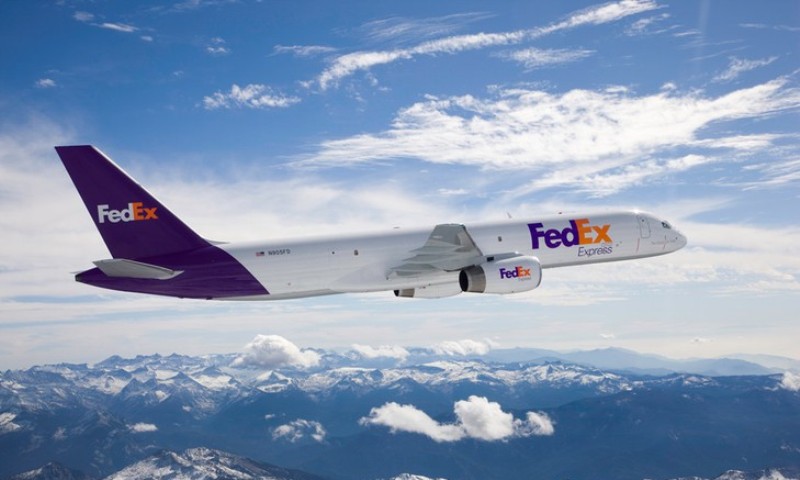
FedEx has launched a new direct freighter service between Guangzhou, China, and Sydney, Australia, strengthening its Asia-Pacific air cargo network and offering faster transit times for shipments moving between the two major trade hubs.
The new service is designed to improve delivery speed and provide customers with greater capacity for high-value, time-sensitive and e-commerce shipments. By introducing a direct connection, FedEx aims to streamline cargo flows, reduce transit times and enhance supply chain reliability for businesses engaged in cross-border trade.
The Guangzhou–Sydney route will support a wide range of industries, including electronics, healthcare, manufacturing, retail and perishables, enabling exporters and importers to benefit from more efficient logistics solutions. The service also strengthens FedEx’s ability to meet growing demand for express freight across the China–Australia corridor.
FedEx said the latest expansion reflects its continued investment in the Asia-Pacific region, where trade and e-commerce volumes continue to grow. The carrier is enhancing its network through strategic route additions, modernized fleet operations and digital logistics capabilities to improve customer service and operational efficiency.
The new freighter service reinforces FedEx’s commitment to supporting regional and international supply chains by providing faster, more reliable air cargo connectivity. As demand for cross-border shipments continues to rise, the additional capacity is expected to improve flexibility for customers while strengthening trade links between China and Australia.