
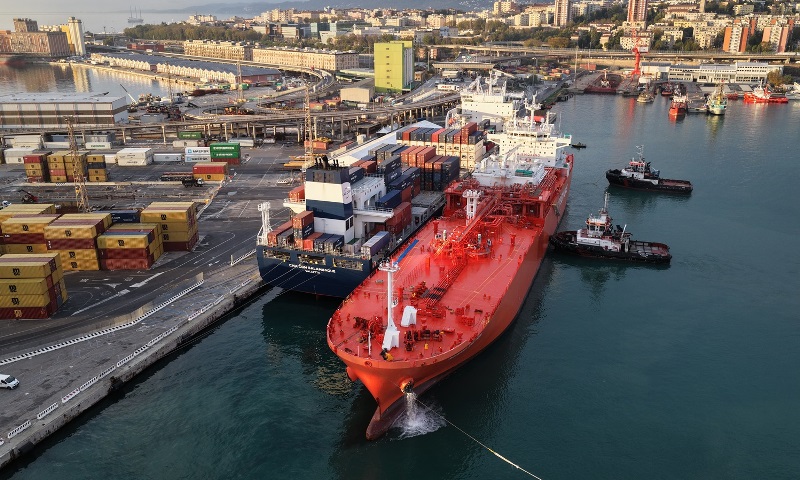
GAIL (India) Limited, Deendayal Port Authority (DPA) and DNV have signed a Tripartite Cooperation Agreement to explore the development of an LNG bunkering facility at Kandla Port in Gujarat. The agreement was signed on August 21, 2026.
The partnership brings together GAIL’s expertise in LNG handling, supply and infrastructure , DPA’s port infrastructure and strategic location, and DNV’s technical expertise in maritime safety and LNG bunkering operations.
The three organisations will examine the development of LNG bunkering infrastructure, supply chains, safety frameworks and operational systems required to establish a reliable bunkering ecosystem at Kandla.
The initiative is aimed at supporting the adoption of cleaner marine fuels and strengthening India’s maritime infrastructure as the shipping industry moves towards lower-emission fuel options.
Kandla has already been advancing its clean-fuel capabilities. In April 2026, the port conducted a trial shore-to-ship methanol bunkering operation with industry partners, with DNV verifying the bunkering process, safety systems and compliance with international practices.
The LNG bunkering initiative could further strengthen Kandla’s position as a regional hub for alternative marine fuels and support the development of greener shipping infrastructure in India.
The agreement also marks a step towards creating an integrated LNG bunkering ecosystem covering fuel supply, port infrastructure, technical standards, safety and vessel operations.