
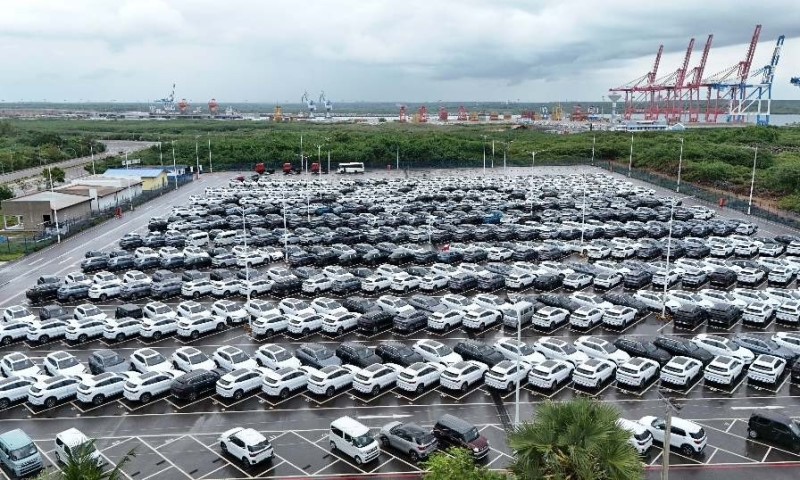
Sri Lanka’s Hambantota International Port has handled 167,569 vehicles despite ongoing disruptions affecting maritime transport and global supply chains, highlighting its growing role as a vehicle transshipment hub in the region.
The port serves as a strategic gateway for vehicle manufacturers and shipping companies moving automobiles between major production centres and international markets. Its location along key East–West shipping routes makes it an important option for vessel operators seeking efficient transshipment and logistics services.
Vehicle handling is a significant component of Hambantota Port’s operations. The facility supports the movement of imported and exported vehicles, including transshipment cargo that is transferred between vessels before reaching its final destination.
Maritime disruptions can complicate shipping schedules, increase transit times and force carriers to reconsider established routes. Under such conditions, ports offering suitable infrastructure, efficient cargo handling and convenient access to major shipping lanes can become increasingly important to vehicle logistics networks.
Handling 167,569 vehicles demonstrates the scale of the port’s automotive activity. However, the supplied information does not specify the reporting period, the breakdown between transshipment and other vehicle movements, or the extent to which the disruption affected overall volumes.
Hambantota International Port has continued to develop its position in regional maritime logistics, with vehicle handling forming part of its broader cargo and transshipment business.
As shipping companies adjust their operations to changing maritime conditions, the port’s ability to accommodate vehicle cargo will remain relevant to manufacturers, automotive logistics providers and international shipping lines seeking alternative or complementary transshipment facilities.