
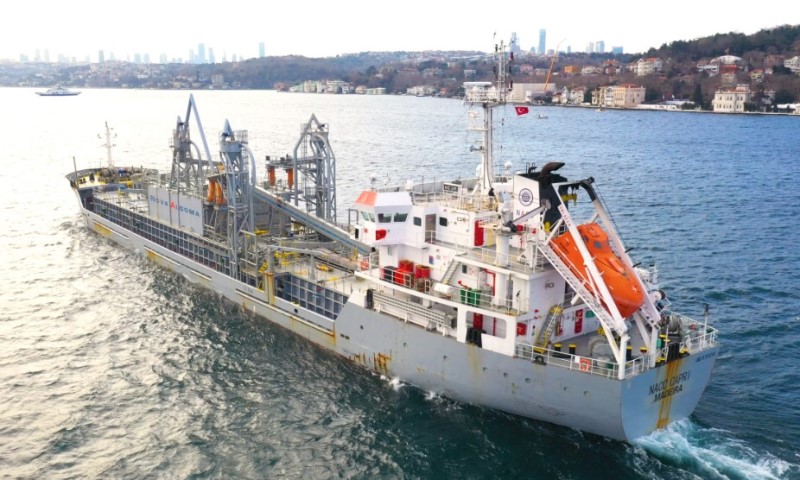
India’s coastal shipping segment for bulk cement remains underdeveloped due to limited investment in dedicated loading and discharge infrastructure, despite policy support, according to a KPMG report.
The study notes that the cement industry relies heavily on road (66%) and rail (31%) transport, with coastal shipping accounting for just 2–3% of volumes. Logistics costs form over 35% of delivered cement costs, impacting margins.
While the shift to bulk cement logistics via coastal shipping requires significant capital expenditure on terminals, silos and self-discharging vessels, large players such as UltraTech and Ambuja-ACC are increasingly adopting coastal and multimodal networks to improve efficiency.
KPMG’s illustrative model estimates that a 2 MTPA coastal bulk cement logistics network would require an investment of around Rs. 2,500 crore, including port-based grinding units, multiple discharge terminals and specialised vessels.
Despite high upfront costs, freight savings of up to Rs. 2,000 per tonne for bulk cement and lower carbon emissions make coastal shipping economically and environmentally attractive. With India’s cement capacity projected to grow to 1,350 MTPA by 2050, KPMG says early adoption of coastal logistics will provide long-term cost and sustainability advantages.