
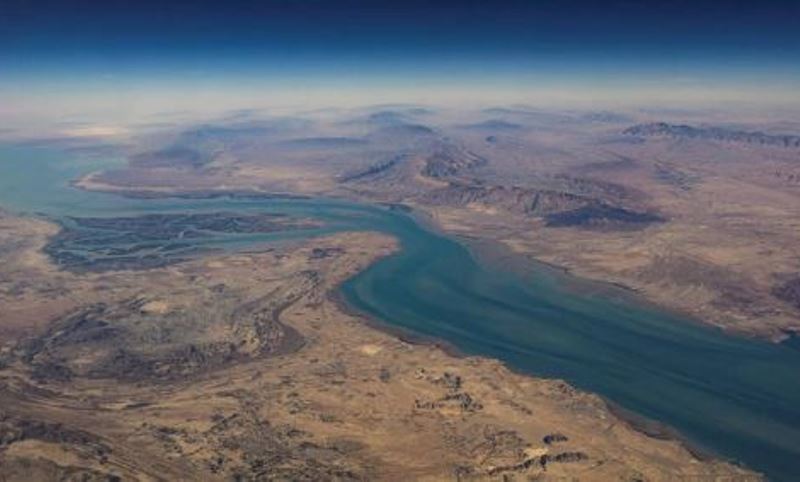
Vessel traffic through the Strait of Hormuz has fallen to single-digit levels, highlighting the growing disruption to commercial shipping amid escalating regional tensions.
Preliminary ship-tracking data showed just seven vessels transited the strategic waterway on Thursday, down from 11 the previous day and well below the 10-day average of 15. Two Panamax vessels exited the strait, while five ships entered.
The latest figures exclude vessels that may have switched off their Automatic Identification System (AIS) transponders, meaning actual traffic could be higher than reported.
Shipping activity through Hormuz has remained severely below normal levels as security concerns and restrictions disrupt commercial movements. The strait is a critical route for global energy trade, linking the Persian Gulf with international markets.
The decline in vessel movements is adding pressure to already disrupted energy supply chains. Lower traffic is also raising concerns over delays, higher freight and insurance costs, and tighter availability of oil and gas cargoes.
Meanwhile, shipping activity through the Bab el-Mandeb Strait has remained considerably stronger, with 26 commodity vessels recorded on Thursday against a 10-day average of about 27.
The continued weakness in Hormuz traffic is expected to keep global energy markets and shipping companies focused on developments in the region, particularly the security of vessels and the restoration of reliable transit through the strategic waterway.