
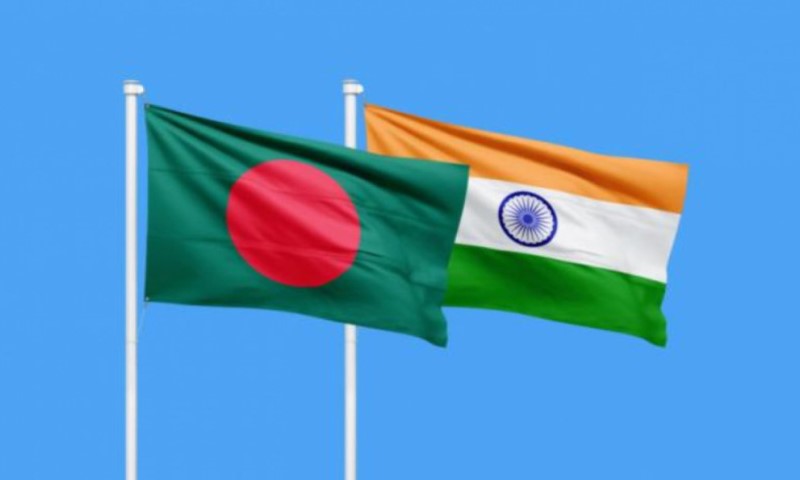
India and Bangladesh have agreed to work on a structured roadmap to enhance bilateral trade, strengthen connectivity and address long-pending procedural bottlenecks, officials said after high-level discussions between the two sides.
Commerce representatives from India and Bangladesh reviewed the current trade basket and identified sectors with potential for expansion, including textiles, engineering goods, pharmaceuticals, agricultural products and processed food.
Both sides emphasised the need to improve border infrastructure, streamline customs procedures and promote greater use of digital documentation to reduce clearance time. Discussions also covered harmonisation of standards and mutual recognition agreements to facilitate smoother movement of goods across land ports.
Officials highlighted the importance of multimodal connectivity — including rail, road and inland waterways — in supporting faster and cost-effective cargo movement. Industry stakeholders have long called for enhanced logistics coordination to fully tap the trade potential between the neighbouring economies.
Bangladesh remains one of India’s largest trading partners in South Asia, while India is a key supplier of raw materials and intermediate goods to Bangladesh’s manufacturing sector, particularly in garments and pharmaceuticals.
The two countries also agreed to encourage greater participation of businesses in trade fairs and buyer-seller meets, aiming to diversify the export base and promote value-added products.
The renewed push comes amid a broader effort by both governments to deepen economic integration and ensure resilient supply chains in a shifting global trade environment.