
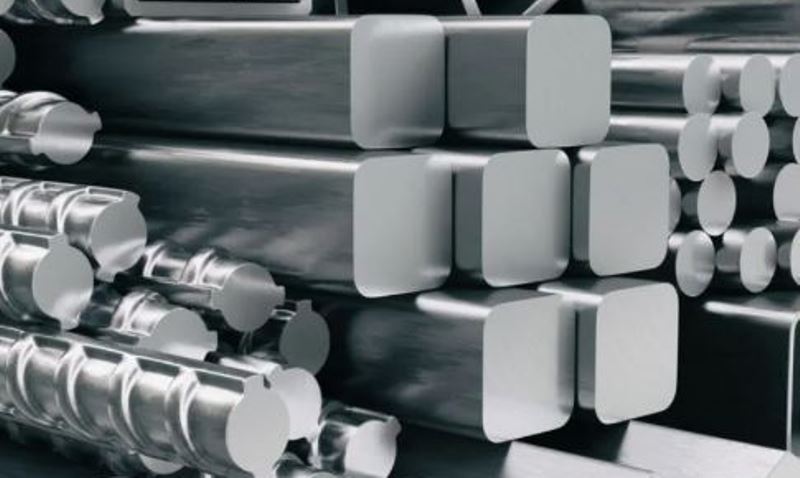
Uzbekistan is exploring steel imports from India as it seeks to reduce logistics costs and diversify its sources of supply, according to an industry official. The landlocked Central Asian country currently imports around 1 million tonnes of steel annually, including TMT bars, largely from China.
Logistics costs are a major factor behind Uzbekistan’s interest in Indian steel. Shipping steel from China to Uzbekistan through sea-based routes can cost as much as US$100 per tonne, in addition to the price of the steel itself. Indian supplies could offer an alternative route with potential cost advantages.
The potential trade opportunity could strengthen India’s position as a steel supplier to Central Asian markets. For Uzbekistan, sourcing from India would also help diversify its import base and reduce reliance on Chinese steel supplies.
The initiative is particularly significant for a landlocked country such as Uzbekistan, where transportation and transit costs can have a substantial impact on the final price of imported commodities. Developing more competitive supply routes from India could therefore improve the economics of steel imports.
For Indian steelmakers and exporters, Uzbekistan’s demand could open a new market for products such as TMT bars and other finished steel products. Increased shipments would also create opportunities for logistics providers and transport operators serving India–Central Asia trade corridors.
The proposed shift comes as Indian exporters continue to face elevated freight and supply-chain costs on several international routes. India’s engineering exports have nevertheless remained strong, with engineering goods exports rising significantly in recent months despite shipping disruptions and higher logistics costs.
If commercial terms and transportation routes prove competitive, greater steel trade between India and Uzbekistan could support broader economic and logistics connectivity between South Asia and Central Asia.