
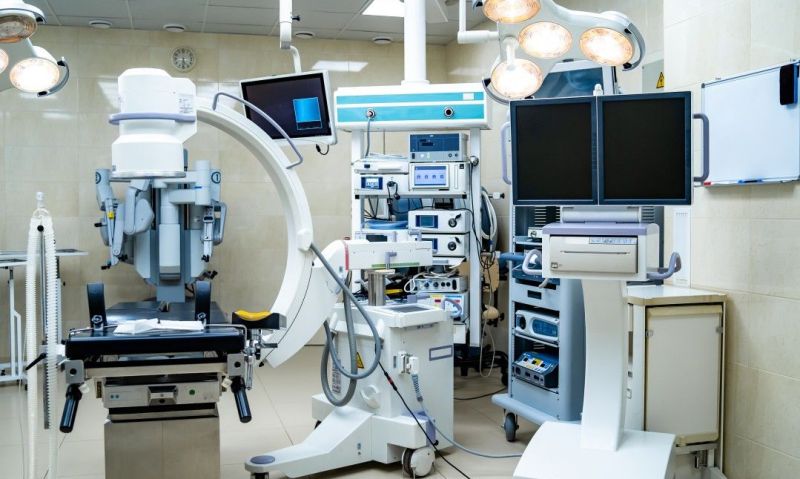
Experts have welcomed the recently concluded India-European Union Free Trade Agreement (FTA) as a significant positive development for India’s medical device industry, saying the pact could strengthen the sector’s global competitiveness and expand market access.
Industry representatives pointed out that the trade deal, which is expected to be implemented in 2026–27, will eliminate or dramatically reduce tariffs on a wide range of goods — including medical devices — facilitating smoother cross-border trade between India and the EU.
Zero Tariffs on Most Devices:
Under the agreement, tariffs on around 90% of medical and surgical equipment traded between the two regions will be phased out, a move that experts say could lower input costs for hospitals and healthcare providers in India and boost exports of Indian-made devices to Europe.
Industry Views:
Medical device trade bodies have described the FTA as a “positive step” that opens doors to advanced European technologies and deeper cooperation in high-value segments such as diagnostic and surgical tools. They also stressed the need to address non-tariff barriers — such as differing regulatory standards and certification requirements — for Indian manufacturers to fully tap the European market.
According to experts, while tariff cuts lower cost barriers, harmonising certification regimes and achieving mutual recognition of quality standards — for example between India’s ISO 13485-based systems and EU CE requirements — will be crucial to translating market access into tangible export growth.
Broader Healthcare Impact:
The deal is also expected to benefit the pharmaceutical industry, with analysts saying lower duties could enhance competitiveness of Indian formulations, active pharmaceutical ingredients (APIs) and biologics in Europe — strengthening India’s position as a global drug supplier.
Economic Ripple Effects:
Beyond healthcare, the FTA has been hailed as a game-changer for Indian exports, foreign investment, and manufacturing, with credit rating agencies noting the agreement’s potential to boost India’s industrial growth and integration into global value chains.
Government officials have described the pact as a “historic opportunity” to expand trade and employment across key sectors, while investors have welcomed the improved clarity and predictability for bilateral commerce.
As the India-EU FTA moves toward ratification and implementation, industry watchers say continued dialogue on regulatory cooperation will be key to unlocking long-term gains for Indian medical technology manufacturers and healthcare stakeholders.