
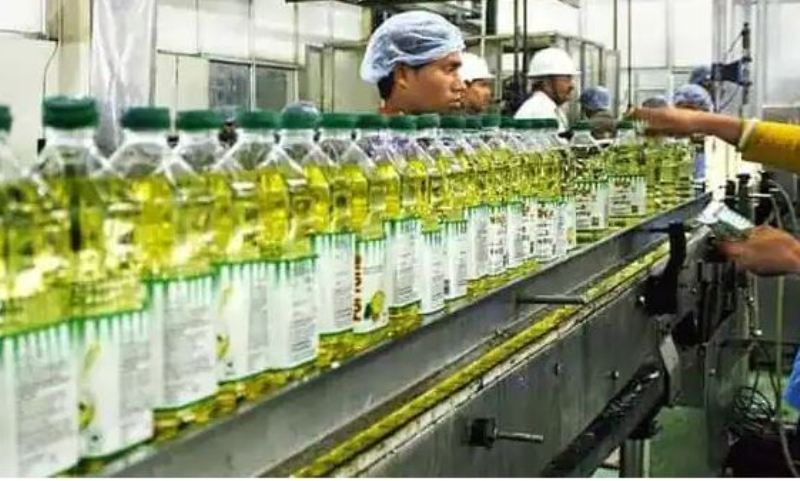
India’s edible oil import expenditure surged 24 per cent to a record ₹2 lakh crore (approximately $21.25 billion) during the 2025-26 oil year, highlighting the country’s continued dependence on overseas supplies to meet domestic consumption demand.
According to the Solvent Extractors’ Association of India (SEA), edible oil imports increased 6 per cent to 16.92 million tonnes during the November 2025–October 2026 period, compared with 16.01 million tonnes in the previous oil year. The import bill stood at ₹1.61 lakh crore in 2024-25.
Higher purchases of palm oil and soybean oil contributed significantly to the increase in import volumes. Palm oil imports rose 8.5 per cent to approximately 8.2 million tonnes, while soybean oil imports increased 6.7 per cent to a record 5.84 million tonnes. In contrast, sunflower oil imports declined to 2.85 million tonnes from 2.94 million tonnes a year earlier, partly reflecting supply disruptions in the Black Sea region.
India sources most of its palm oil from Indonesia and Malaysia, while soybean and sunflower oil are primarily imported from Argentina, Brazil, Russia and Ukraine.
A significant shift was also observed in the composition of imports. Crude edible oil imports increased to 16.11 million tonnes from 14.27 million tonnes, accounting for 95 per cent of total imports. Meanwhile, refined oil imports declined sharply to 0.82 million tonnes from 1.74 million tonnes, as purchases of refined palmolein from Indonesia and Malaysia remained negligible.
Monthly imports also registered strong growth in October 2026. Total edible oil imports rose 14 per cent month-on-month to approximately 1.76 million tonnes, the highest level in 27 months, supported by increased purchases ahead of the festival season.
Meanwhile, India’s total edible oil stocks stood at approximately 2.31 million tonnes as of November 1, compared with 2.07 million tonnes a month earlier.
The rising import bill underscores India’s vulnerability to international edible oil prices, currency fluctuations and global supply disruptions. Strengthening domestic oilseed production and reducing import dependence remain important challenges for the country’s edible oil sector.