
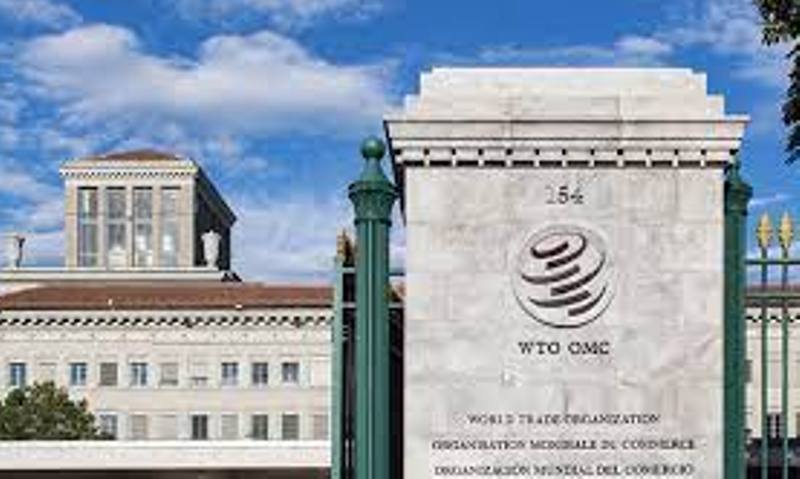
India has moved the World Trade Organisation (WTO) against the safeguard measures introduced by the European Union on imports of ferro alloying elements in the forms of import quotas from different countries.
The EU imposed safeguard measures on imports of silicon, ferro-manganese, ferro-silicon, ferro-silico-manganese, ferro-silico-magnesium and calcium-silicon on developing countries including India and China from November 18. These measures will be in force for the next three years.
The products where India gets impacted are ferro-mangnese, ferro silicon and ferro-silico-magnese and this dispute emerges at a time when both sides are involved in intense discussions to close negotiations on a free trade agreement (FTA).
“As a Member having a substantial trade interest in the export of products concerned, India hereby requests consultations with the European Union pursuant to Article 12.3 of the Agreement on Safeguards with a view to reviewing the information provided under Article 12.2 and exchanging views on the implications of the measures,” India notified the world trade watchdog.
The article 12.3 requires a WTO Member applying a safeguard measure to immediately notify the Committee of Safeguards and enter into consultations with affected Members to review the measure, exchange views, and discuss compensation, ensuring transparency and fairness in trade.
Resolution process
Request for Consultation is the first step in the formal dispute settlement process at the WTO. This provides a forum for parties involved to find out a mutually agreed solution to a dispute. If consultations fail then the complaining country can escalate the dispute by requesting the establishment of a panel of experts to adjudicate the case.
While imposing the safeguard measures the EU had said that average delivered price of ferro alloys in the EU was around 35% higher than China and 20% higher than India, creating problems for producers in the 27-member bloc.