
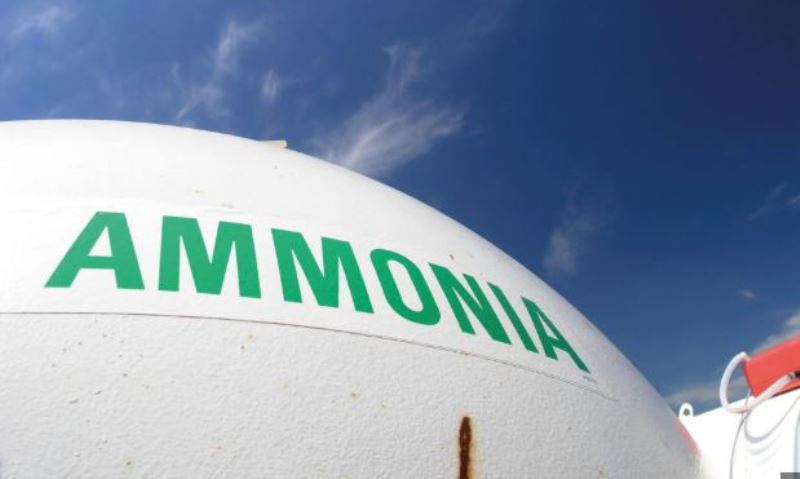
AVTL, a joint venture between Aegis Logistics Limited and Vopak India, has announced plans to develop what it hails as India’s ‘first, independent’ ammonia storage terminal.
As disclosed, the brownfield ammonia terminal is to be constructed at the existing location in Pipavav, which is situated near the West coast of the state of Gujarat.
According to Vopak India, which is a subsidiary of the Netherlands-headquartered Royal Vopak, the terminal is envisioned as a third-party, independent storage facility with a capacity of approximately 36,000 metric tons. The site is planned to be commissioned by the end of 2026.
The total investment for the initiative is approximately €53 million (INR 5.3 billion) and is to be fully funded by AVTL.
Once inaugurated, the terminal will facilitate ammonia imports, serving the fertilizer market. Beyond this, the partners intend to further explore ammonia as a key carrier for hydrogen, having identified this environmentally friendly fuel as an ‘important’ element of the companies’ – as well as wider – energy transition efforts.
Officials from AVTL have said that the terminal is going to support green ammonia exports, too, as a means to give speed to India’s own transition toward cleaner energy and more sustainable infrastructure.
Though one of the biggest producers of ammonia in the world, India’s engagement with this sustainable fuel as part of its decarbonization strategy has reflected both ambition and caution, with the country’s efforts generally in early and experimental phases.
The government has, to its credit, articulated a clear vision. In May 2023, India’s Ministry of Ports, Shipping and Waterways (MoPSW) released the Harit Sagar Green Port guide, which includes firm goals for developing green ammonia, green methanol and green hydrogen bunkering infrastructure.
Under the guidelines, the Ministry also noted that all major Indian ports are planned to be fitted with green hydrogen refueling facilities by 2035.
Among the initiatives within the ammonia space this year in the Southeast Asian country, in March, a consortium of Japanese companies consisting of IHI Corporation, Hokkaido Electric Power, Mitsubishi Gas Chemical Company, Mitsui O.S.K. Lines (MOL), Mizuho Bank, and Tokyo Century Corporation signed a memorandum of understanding (MoU) to investigate investment options in a green ammonia production currently under development in India.
As disclosed at the time, the site has a planned annual capacity of roughly 400,000 tons of green ammonia, which would be transported to Japan and utilized by domestic users.
What is more, at the beginning of June, India’s hydrogen and ammonia developer Hygenco Green Energie broke ground on a green ammonia plant in Gopalpur Industrial Park, Odisha. The first phase of the ammonia project is set to manufacture 600 tonnes per day (tpd), with commercial operations slated for 2027. The second phase is anticipated to double this by early 2028, while the final capacity, once the plant is opened, is projected to reach 1.1 million tonnes per annum (mtpa).