
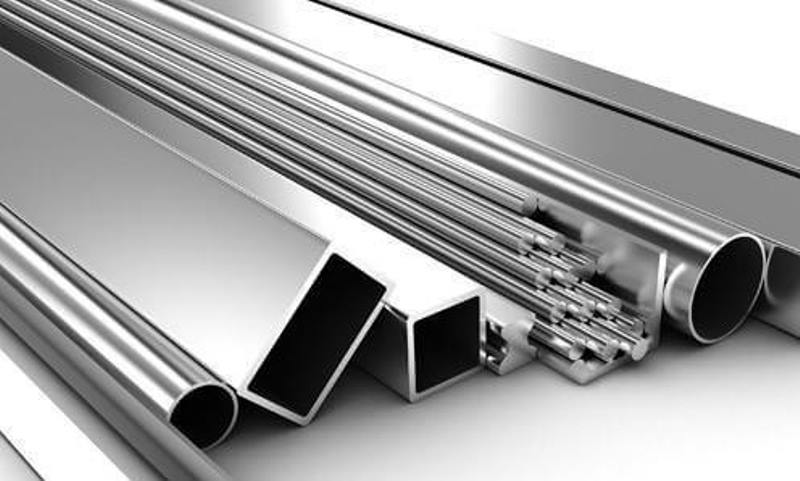
India has expanded its scrutiny of aluminium imports from China, Malaysia, Vietnam and Thailand, launching an anti-dumping investigation following complaints from domestic manufacturers over rising low-priced shipments. The move is aimed at examining whether unfair import competition is hurting Indian producers and undermining the competitiveness of the domestic aluminium extrusion industry.
The Directorate General of Trade Remedies (DGTR), under the Ministry of Commerce and Industry, initiated the investigation on November 9, 2026, covering aluminium extrusion profiles, structures and related products imported from the four countries.
The investigation follows representations from the Aluminium Extrusion Manufacturers Association of India (ALEMAI), which represents 228 domestic manufacturers. Nine Indian producers have also sought the imposition of anti-dumping duties, alleging that cheaper imports are affecting profitability, production capacity utilisation and returns on investment.
Four countries account for 90% of imports
China, Malaysia, Vietnam and Thailand collectively account for approximately 90% of India’s imports of the products covered by the investigation.
The products under review include aluminium profiles, bars, rods, tubes, pipes and structures used in construction, infrastructure and manufacturing. Applications include doors and windows, exterior cladding, railings, solar mounting structures, heat sinks, industrial framing, furniture and bicycle components.
The DGTR’s preliminary assessment indicates that imports from all four countries were entering India at dumping margins above the de minimis threshold. The investigation will establish the extent of dumping and determine whether these imports have caused material injury to domestic manufacturers.
Domestic manufacturers seek protection
Indian aluminium extrusion manufacturers have raised concerns over import competition, particularly its impact on smaller manufacturing units operating in the micro, small and medium enterprises (MSME) segment.
According to industry representations, increasing volumes of low-priced imports have put pressure on domestic selling prices, reduced profitability and contributed to underutilisation of production capacity.
The DGTR has invited interested parties to submit information and responses within the prescribed 37-day period from the transmission of the relevant intimation letters. The investigation covers imports during April 1, 2025, to June 30, 2026.
Aluminium demand outlook remains strong
The investigation comes amid expectations of substantial growth in India’s aluminium consumption, driven by electricity infrastructure, renewable energy, automobiles, construction, transportation and industrial expansion.
According to NITI Aayog’s Aluminium Sector Decarbonisation report, India’s aluminium demand is projected to grow at approximately 4.4% annually, compared with an estimated global growth rate of 1.5%. Domestic demand could increase from 4 million tonnes in 2023 to 37 million tonnes by 2070.
The outcome of the investigation could have implications for domestic aluminium producers, importers and downstream industries that depend on competitively priced raw materials.
If dumping and injury are established, the DGTR may recommend anti-dumping duties to address the impact on domestic manufacturers. The final decision on imposing any such duties rests with the Ministry of Finance.
The investigation highlights India’s broader effort to strengthen domestic manufacturing while balancing the interests of downstream industries that rely on imported aluminium products.