
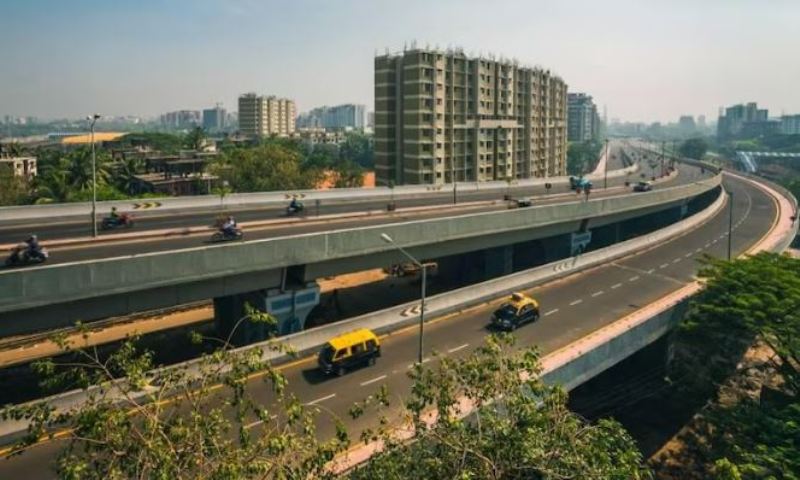
Infrastructure projects across India reported cumulative cost overruns of ₹5.52 lakh crore as of January, reflecting persistent challenges in project execution, funding and timelines.
According to official data, hundreds of central sector infrastructure projects—spanning roads, railways, power, petroleum, steel and urban development—have witnessed expenditure exceeding their originally sanctioned costs. The overruns are attributed to factors such as delays in land acquisition, environmental clearances, supply chain disruptions, design changes and price escalation of key raw materials.
Project implementation agencies have also cited funding constraints and contractor-related issues as contributors to timeline slippages, which in turn inflate overall project outlays. Delays often lead to higher interest during construction and revised cost estimates.
Despite the escalation, the government continues to emphasise infrastructure expansion as a key driver of economic growth, with significant budgetary allocations toward capital expenditure in recent years. Authorities have also introduced digital monitoring systems and periodic reviews aimed at expediting approvals and improving accountability.
Analysts note that while cost overruns remain a concern, timely resolution of bottlenecks and stronger coordination between central and state agencies could help contain further escalation and ensure faster completion of critical infrastructure assets.