
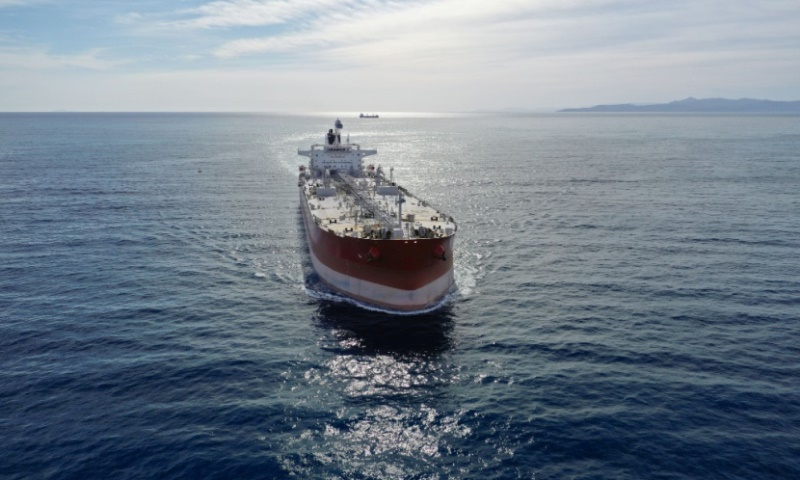
International Seaways has agreed to a $370 million deal involving Bruton to expand its very large crude carrier (VLCC) fleet, strengthening its position in the global crude oil transportation market.
The transaction represents a significant investment in large crude tankers, which are designed to transport substantial volumes of oil over long-distance international routes. VLCCs play a crucial role in connecting major oil-producing regions with refineries and energy-consuming markets worldwide.
Expanding its VLCC fleet could provide International Seaways with additional capacity to serve charterers and respond to changing demand for crude oil transportation. Fleet size, vessel availability and operating efficiency are important factors influencing tanker operators’ competitiveness in a market shaped by oil production levels, trade flows and geopolitical developments.
The crude tanker sector has experienced shifting trading patterns as changes in energy demand, sanctions, regional conflicts and shipping routes influence vessel deployment. These developments can affect voyage distances, tanker availability and freight rates, creating both opportunities and challenges for shipowners.
For International Seaways, the Bruton deal signals a commitment to growing its presence in the large crude carrier segment. The financial implications will depend on the transaction’s structure, the vessels involved, their condition and specifications, and the timing of completion.
The $370 million value also highlights the substantial capital requirements associated with acquiring large crude carriers. Shipowners must balance fleet expansion against financing costs, maintenance requirements, regulatory compliance and future market conditions.
Further details regarding the number of vessels included in the transaction, their age, delivery schedule and the deal’s completion timeline were not provided in the supplied information.
The agreement marks a notable development in International Seaways’ fleet strategy as the company positions itself to participate in global crude oil shipping demand.