
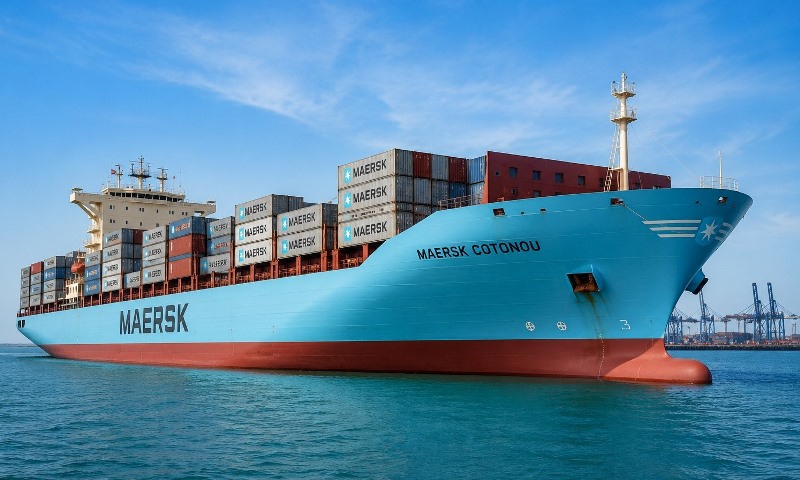
Maersk has announced revised fuel surcharges across multiple shipping markets as part of its regular pricing review, reflecting changes in bunker fuel costs and evolving operating conditions across its global network.
The updated fuel surcharges will apply to selected trade lanes and are designed to ensure that freight pricing remains aligned with fluctuations in marine fuel prices. The revised rates may vary depending on the origin and destination, cargo type and applicable surcharge methodology.
According to the carrier, fuel surcharges are reviewed periodically to account for changes in bunker prices, regulatory requirements and market conditions. The latest adjustments are intended to provide greater transparency while helping recover fuel-related operating costs incurred during cargo transportation.
The revisions come as the shipping industry continues to face volatile fuel markets, stricter environmental regulations and the gradual adoption of lower-emission marine fuels. Shipping lines have increasingly adjusted their fuel pricing mechanisms to balance cost recovery with service reliability.
Customers shipping with Maersk are advised to review the updated fuel surcharge schedules applicable to their trade lanes and incorporate the revised charges into their logistics planning. The changes form part of the company’s ongoing efforts to maintain efficient global shipping services while adapting to evolving market and regulatory conditions.