
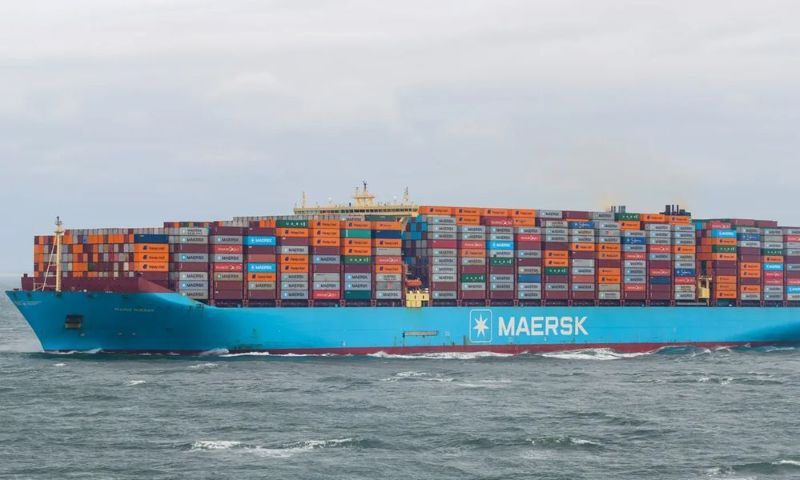
Maersk has announced the cancellation of an AE15 service sailing from Qingdao in week 37, as the carrier adjusts its vessel schedule and capacity deployment on the trade.
The cancelled sailing is expected to affect cargo planning for shippers using the AE15 service from the Chinese port. Customers with bookings on the affected voyage may need to review alternative sailing options and coordinate with Maersk or their freight forwarders.
Schedule cancellations, commonly referred to as blank sailings, are used by container carriers to manage capacity in response to changes in cargo demand, operational conditions and network requirements. They can also be introduced as part of wider efforts to optimise vessel utilisation.
Qingdao is a major container gateway in northern China, handling substantial volumes of export cargo for markets across Asia, Europe and other regions. Any changes to scheduled departures can therefore have implications for exporters and downstream supply-chain planning.
The AE15 service forms part of Maersk’s broader network connecting Asian markets with international destinations. Adjustments to individual sailings allow the carrier to balance available vessel capacity with expected cargo flows.
Shippers affected by the week 37 cancellation are likely to assess alternative departures, transshipment arrangements and potential changes to transit times. Early planning will be important for time-sensitive cargo and shipments with fixed delivery requirements.
The latest schedule adjustment highlights the continued volatility in global liner shipping, where carriers are actively managing capacity and sailing schedules amid changing trade patterns and operating conditions.