
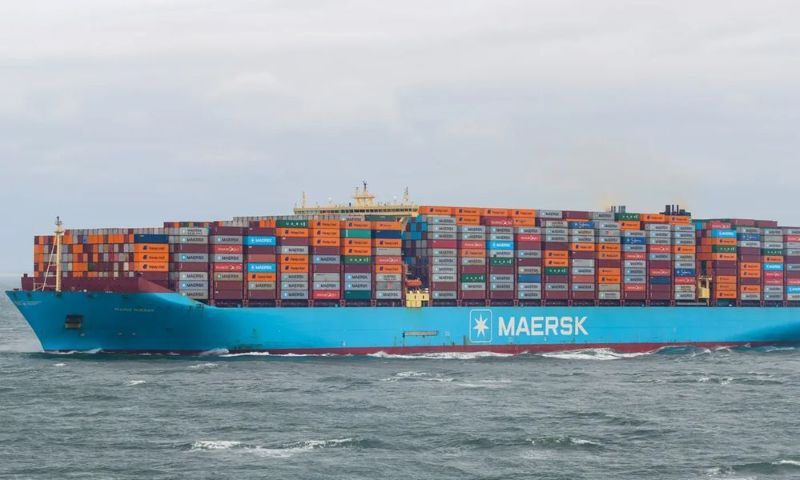
Maersk has announced the introduction and revision of several shipping surcharges affecting cargo moving to and from Australia and New Zealand, as the carrier responds to changing operational and market conditions across Oceania trade routes.
The updated surcharge framework will apply to selected import and export services and covers various cost components associated with cargo transportation. The adjustments are designed to reflect evolving network requirements, port-related expenses, equipment management costs, and seasonal demand fluctuations impacting the region.
Maersk said the revised charges will vary depending on trade lane, cargo type, container size, and destination. Customers have been advised to review the carrier’s latest tariff notices and booking guidelines to understand the specific impact on their shipments.
The move comes as shipping lines continue to adapt to changing supply chain dynamics, including port congestion in certain locations, vessel schedule adjustments, equipment repositioning needs, and rising operating costs. Australia and New Zealand remain important markets for agricultural products, consumer goods, industrial cargo, and containerized trade, making service reliability a key priority for carriers.
Industry analysts note that surcharge updates have become increasingly common as carriers seek to maintain network efficiency while managing cost pressures and fluctuating freight demand. Such measures also help shipping lines address regional operational challenges without making broader changes to base freight rates.
Maersk stated that the new and revised surcharges will take effect according to published implementation schedules and applicable regulatory requirements. Detailed information on affected services, effective dates, and surcharge levels has been made available through the company’s customer advisories and regional offices.