
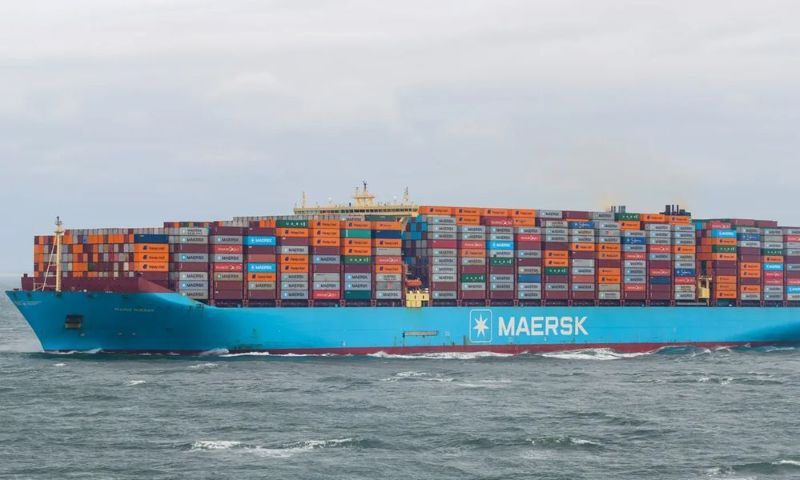
Maersk has introduced a Peak Season Surcharge (PSS) for cargo moving from South America to Europe, as the carrier adjusts its pricing in response to market and operational conditions on the trade lane.
The new surcharge will apply to eligible shipments moving from South American origins to European destinations. Shippers and freight forwarders will need to account for the additional charge when planning shipments and calculating overall transportation costs.
Peak Season Surcharges are generally introduced by container carriers when demand for vessel capacity increases or when operational conditions result in additional costs. The charges can vary according to trade lane, cargo type, origin and destination, and may be reviewed as market conditions change.
The South America–Europe trade supports significant flows of agricultural commodities, food products, minerals, manufactured goods and other cargo. Reliable container services are particularly important for exporters seeking regular access to European markets.
For exporters, the additional PSS will increase the total ocean freight cost for affected shipments. Freight forwarders may also need to revise quotations and inform customers of the updated charges and their applicable periods.
The latest adjustment highlights the continuing changes in container shipping prices as carriers manage capacity and respond to fluctuations in cargo demand. Vessel availability, port operations and changes in global shipping networks can also influence freight rates and surcharges.
Shippers with regular South America–Europe movements are likely to monitor the new charge closely and assess its impact on logistics budgets. Companies moving time-sensitive or high-volume cargo may also review shipment schedules and available carrier options.
Maersk’s introduction of the PSS underscores the importance of monitoring carrier tariff announcements when planning international container shipments. Further changes to freight rates or surcharges could follow as demand, capacity and operating conditions on the trade evolve.