
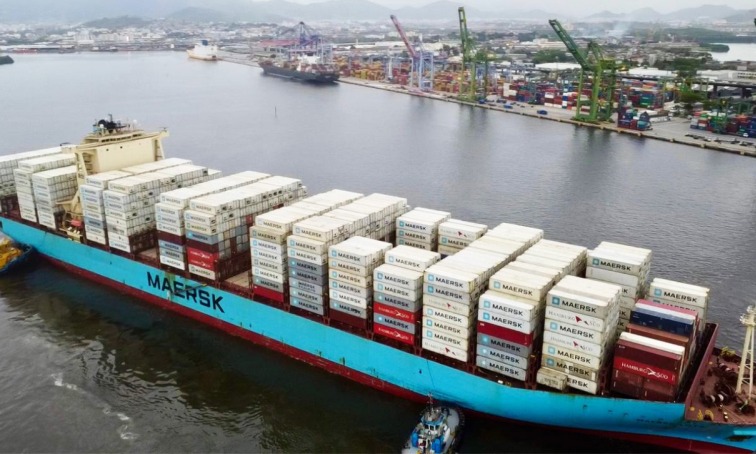
Maersk has issued an update on market conditions across the India, Middle East and Africa (IMEA) region, highlighting the impact of ongoing Middle East disruptions and seasonal export activity on shipping operations.
The carrier said changing conditions in the region are affecting vessel operations, transit planning and supply-chain flows. Disruptions around key Middle East trade routes have continued to create uncertainty for shippers and carriers operating across the region.
Maersk is also monitoring seasonal export volumes, which can influence demand for container capacity and equipment across major origin markets. Exporters are being advised to factor changing market conditions into their shipment planning.
The developments come as carriers continue to adjust networks and operational arrangements in response to security concerns, route disruptions and changing cargo demand. Depending on the trade lane, these conditions can result in longer transit times, schedule changes and additional logistics costs.
Maersk said it continues to monitor the situation and will provide further operational updates as conditions evolve.
For shippers across IMEA, the latest update underlines the importance of early booking and close coordination with carriers as regional disruptions and seasonal cargo flows continue to influence container shipping operations.