
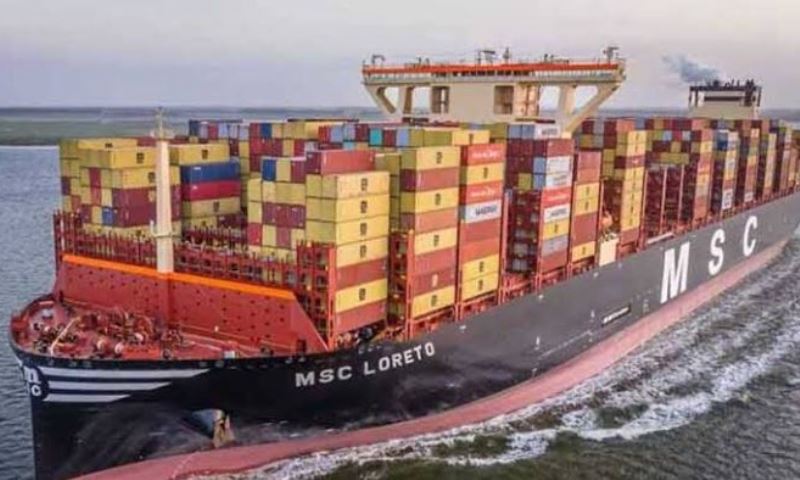
Mediterranean Shipping Company (MSC) has cancelled two scheduled sailings on the Asia–US East Coast trade, as the carrier adjusts its service network and vessel deployment on the route.
The blanked sailings will temporarily reduce the number of planned vessel departures available to shippers moving cargo from Asia to ports on the US East Coast. Exporters and importers with bookings on the affected services may need to coordinate with MSC or their freight forwarders regarding alternative sailings and revised schedules.
The Asia–US East Coast trade is an important container shipping corridor, supporting the movement of consumer goods, industrial products, machinery, electronics and other cargo from major Asian manufacturing centres to the United States.
Blank sailings are commonly used by container carriers to align available capacity with market demand and operational requirements. Carriers may also adjust schedules because of vessel availability, port congestion, network changes or disruptions affecting major shipping routes.
For shippers, cancelled sailings can affect cargo departure dates, transit planning and equipment availability. Businesses with time-sensitive shipments may need to consider alternative departures or other routing options to maintain delivery schedules.
The changes also come against a backdrop of continuing adjustments in global container shipping networks. Carriers are reviewing vessel deployments and service frequencies as trade patterns, demand and operational conditions evolve.
Freight forwarders and logistics providers are expected to monitor the affected services and communicate any changes in departure schedules to customers. Early planning can help shippers secure alternative capacity and minimise potential delays.
The cancellation of two sailings highlights the importance of closely monitoring carrier schedules on the Asia–US East Coast trade. Further changes to vessel deployments or service rotations could influence available capacity and shipment planning in the weeks ahead.