
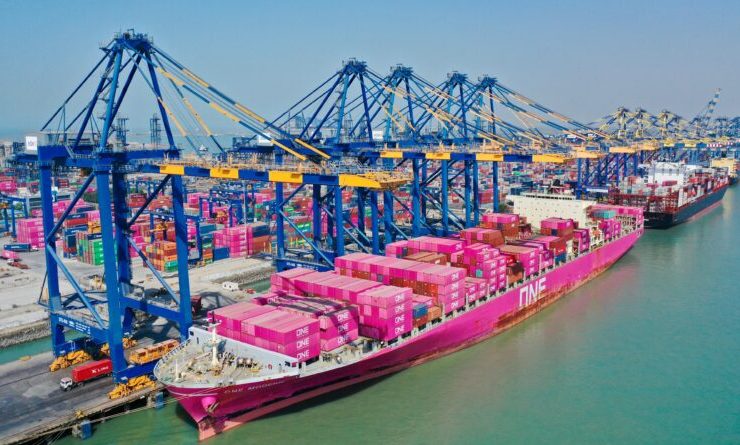
Cargo handled by India’s non-major ports registered slower growth in FY2025–26, reaching 753.07 million tonnes, reflecting softer trade activity and ongoing logistical challenges across several commodity segments.
According to official data, the pace of cargo growth moderated compared with previous years as fluctuations in global demand, higher freight costs, and geopolitical uncertainties affected cargo movement through regional and state-run ports.
Industry analysts said bulk commodities including coal, iron ore, containers, petroleum products, and fertilisers continued to contribute significantly to overall throughput, though growth trends varied across ports depending on regional trade patterns and industrial demand.
Several non-major ports on the western coast maintained steady cargo volumes due to strong energy imports and container traffic, while some eastern coast ports witnessed slower movement linked to weaker industrial activity and export demand.
Port operators noted that rising logistics costs, vessel scheduling disruptions, and congestion in certain trade corridors also impacted cargo handling efficiency during the fiscal year. However, infrastructure upgrades, mechanisation projects, and improved hinterland connectivity continued to support operational performance at many ports.
India’s non-major ports play a crucial role in handling the country’s growing maritime trade, complementing major ports by supporting regional cargo movement and industrial clusters. Industry stakeholders expect cargo volumes to improve gradually as trade conditions stabilise and infrastructure investments accelerate.