
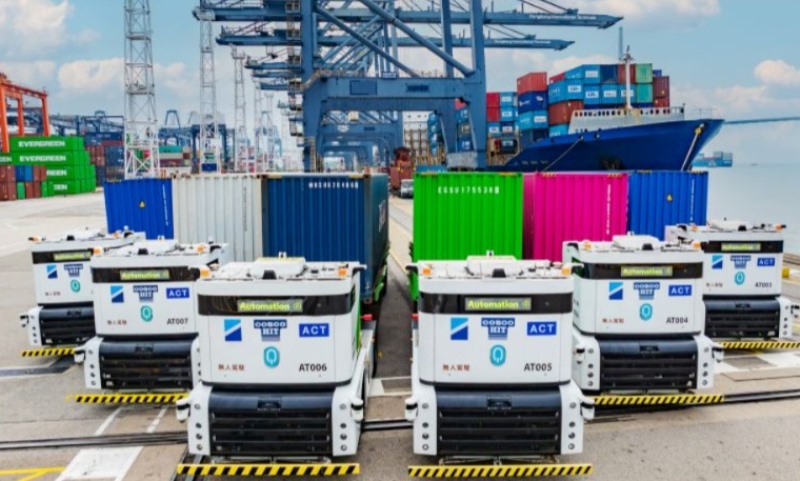
The Port of Felixstowe has expanded its fleet of autonomous trucks as part of its ongoing drive to enhance terminal efficiency, improve cargo handling, and accelerate the adoption of smart port technologies.
The additional autonomous vehicles will be used to transport containers between quayside operations and storage yards, helping streamline internal logistics, reduce turnaround times, and optimise the movement of cargo across the terminal. The initiative is expected to increase operational productivity while supporting safer and more efficient port operations.
The fleet expansion forms part of the port’s broader digital transformation strategy, which includes investments in automation, data-driven logistics, and advanced terminal management systems. These technologies are designed to improve asset utilisation, minimise congestion, and enhance service reliability for shipping lines and cargo owners.
As one of the UK’s busiest container ports, Felixstowe continues to modernise its infrastructure to accommodate growing trade volumes and larger container vessels. The deployment of autonomous vehicles is expected to strengthen the port’s competitiveness by improving operational resilience and reducing logistics costs.
The investment highlights the growing role of automation in the global maritime industry, with smart technologies increasingly helping ports boost efficiency, optimise supply chains, and support sustainable long-term growth.