
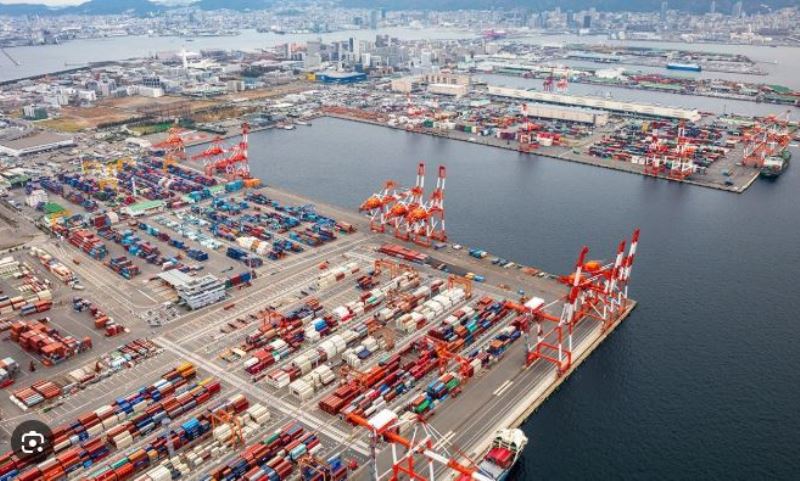
Port of Kobe recorded a 7.8% increase in container volumes in July, reflecting stronger container activity at one of Japan’s major international gateways.
The growth points to increased cargo movement through the port during the month, supported by trade flows involving Japan and its key international markets.
Kobe is an important container hub in the Kansai region, serving manufacturers, exporters and importers across western Japan. The port handles a wide range of containerised cargo, including industrial products, machinery, consumer goods and other traded commodities.
The increase in July container traffic comes as shipping networks across Asia continue to adjust to changing trade patterns, vessel deployment and demand conditions. Ports in the region are also investing in infrastructure and operational improvements to accommodate evolving cargo volumes.
Higher container throughput at Kobe supports the port’s role in Japan’s international logistics network and provides additional capacity for businesses moving cargo through the Kansai region.
The July performance will contribute to the port’s overall container-handling results for the year and will be monitored alongside broader developments in Japanese trade and maritime cargo demand.
The latest increase highlights continued activity at Kobe as shipping lines and cargo owners maintain connections between Japan and overseas markets.