
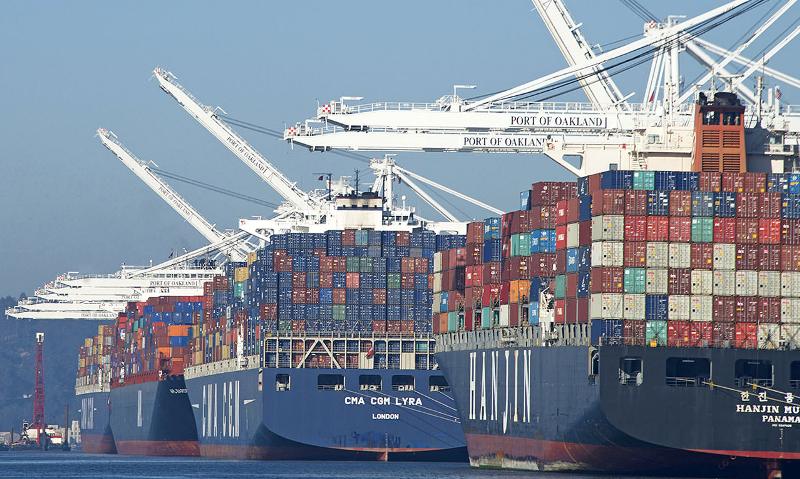
The Port of Oakland remains a critical gateway for US agricultural exports. By October 2024, the Port has shipped 235,899 TEUs of agricultural commodities, with a combined value of nearly US$8.5 billion.
Oakland leads all US ports in international refrigerated export trade by TEU volume, a position it has held for seven consecutive years.
“The Port of Oakland is a major international gateway for California’s and the nation’s farmers. Agricultural exports are especially important commodities for our Port’s business. In any given year, agricultural products comprise between 37% and 45% of total exports from Oakland,” stated Bryan Brandes, Maritime Director at Port of Oakland.
In 2023, the total commercial value of reefer exports through Oakland reached US$7 billion. Over the past seven years, significant investments have been made in agricultural and refrigerated product facilities, such as the Cool Port and PCC Logistics warehouses.
These upgrades have enabled substantial growth in the transport of agricultural, refrigerated, and frozen goods through the Port.
The Oakland Seaport’s strategic location near California’s Central Valley, coupled with direct ocean carrier services to Asia and advanced on-site cold storage facilities, solidifies its role as a leading export hub for the United States. Approximately 90% of the region’s agricultural products flow through the Port’s marine terminals en route to international markets.