
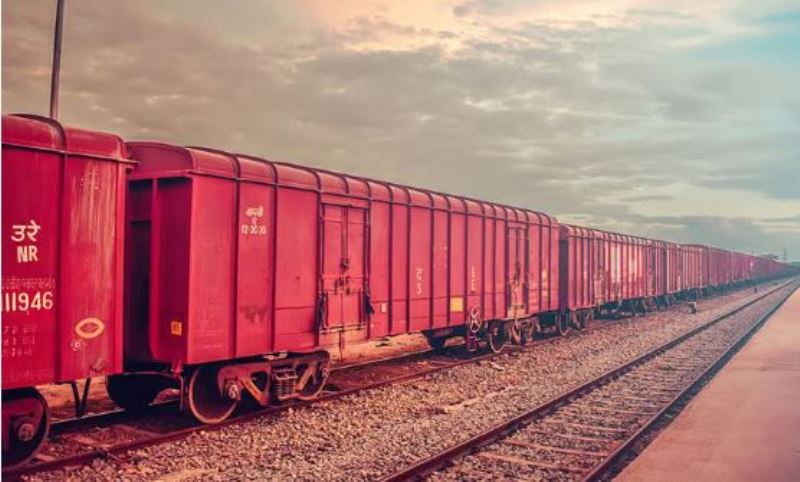
The Rajkot Division of Indian Railways has successfully operated its first long-haul freight train comprising 87 wagons, marking a significant step toward enhancing freight efficiency and capacity in the region.
The milestone run reflects Indian Railways’ ongoing push to increase train lengths and optimize network utilization under its long-haul and heavy-haul freight strategy. By running longer trains, the railway aims to reduce congestion, improve turnaround times, and lower overall logistics costs.
According to officials, the 87-wagon formation enables the movement of larger volumes of cargo in a single trip, reducing the need for multiple shorter trains. This not only boosts operational efficiency but also contributes to energy savings and better asset utilization.
The initiative is aligned with Indian Railways’ broader focus on strengthening freight operations, particularly in industrial and port-linked regions such as Gujarat. The Rajkot Division, which plays a key role in handling commodities like cement, coal, and agricultural goods, is expected to benefit from improved throughput and faster cargo movement.
Railway authorities indicated that similar long-haul operations may be expanded across other divisions as infrastructure upgrades, including improved signaling systems and track capacity enhancements, continue across the network.
The development underscores Indian Railways’ commitment to modernizing freight logistics and supporting India’s growing demand for efficient, cost-effective transportation solutions.